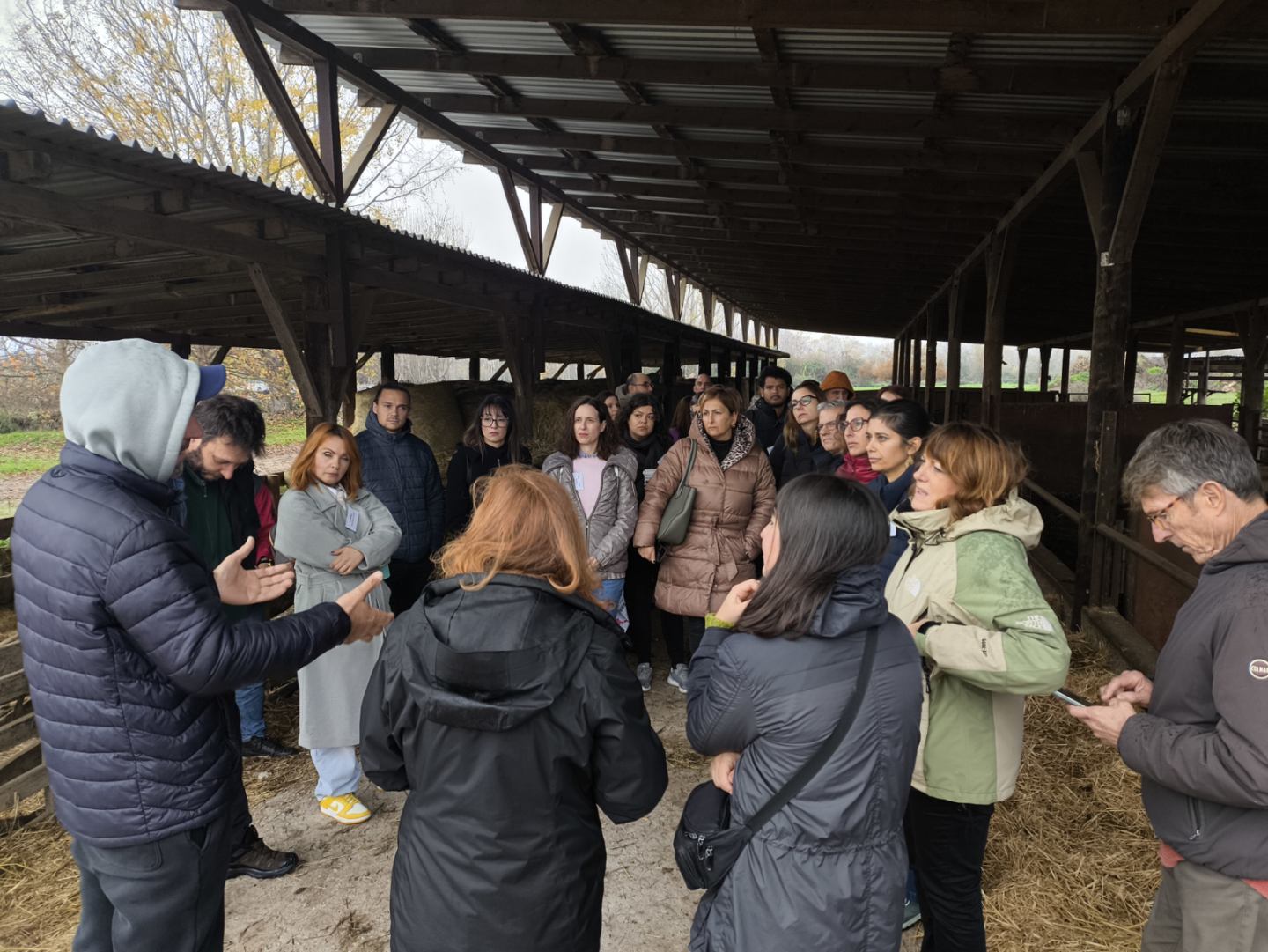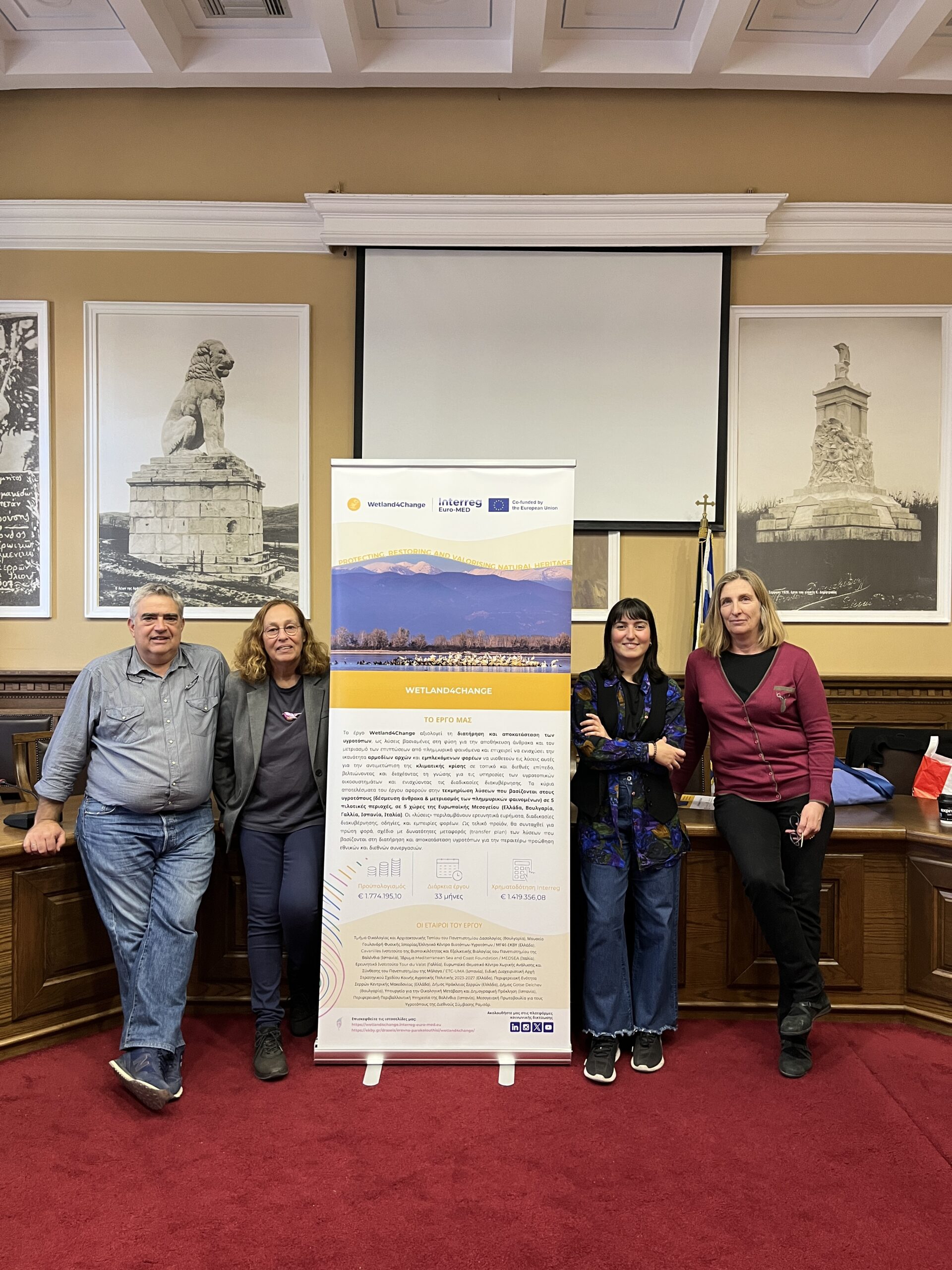

On 30 October 2025, the 2nd Greek Local Event of the Wetland4Change project took place, entitled “Dialogue for Wetlands and Climate Change – Lake Kerkini and the smaller wetlands of the Strymon River Basin”. Organised by our project partner NNHMG-EKBY, the event had a broad and active participation from 28 representatives of public services, agencies, and enterprises. Participants were from the Water Directorate of Eastern Macedonia & Thrace, the Technical Works Sub-Directorate of the Regional Unit of Serres, the Department of Environment and Green of the Municipality of Irakleia, the Department of Tourism and Culture of the Municipality of Irakleia, the Management Unit of Protected Areas (NECCA) – Kerkini Department, Ecotourism Enterprises, the Livestock Cooperative of Buffalo Breeders of Greece, the Forest Service of Serres, and the Network of Cities with Lakes.
The focus of the 2nd Local Event was the exchange of experiences, knowledge, and ideas among the stakeholders of the Strymon River Basin regarding the protection, conservation, restoration, and promotion of the region’s wetlands. Participatory workshops were organized around 1) issues of policy and institutional frameworking for wetland protection, 2) issues on the strengthening of services and agencies for more effective action for the conservation/restoration of wetlands, and 3) Immediate wetland conservation/restoration actions.
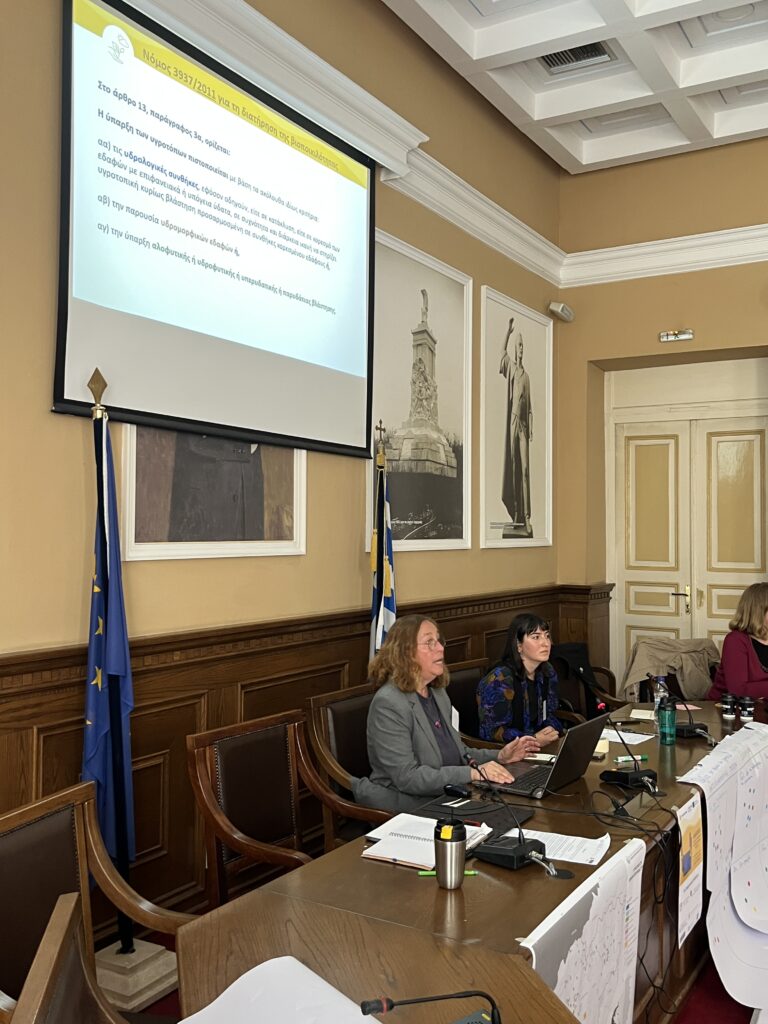
Stakeholder Dialogue: Institutional Barriers to Wetland Conservation
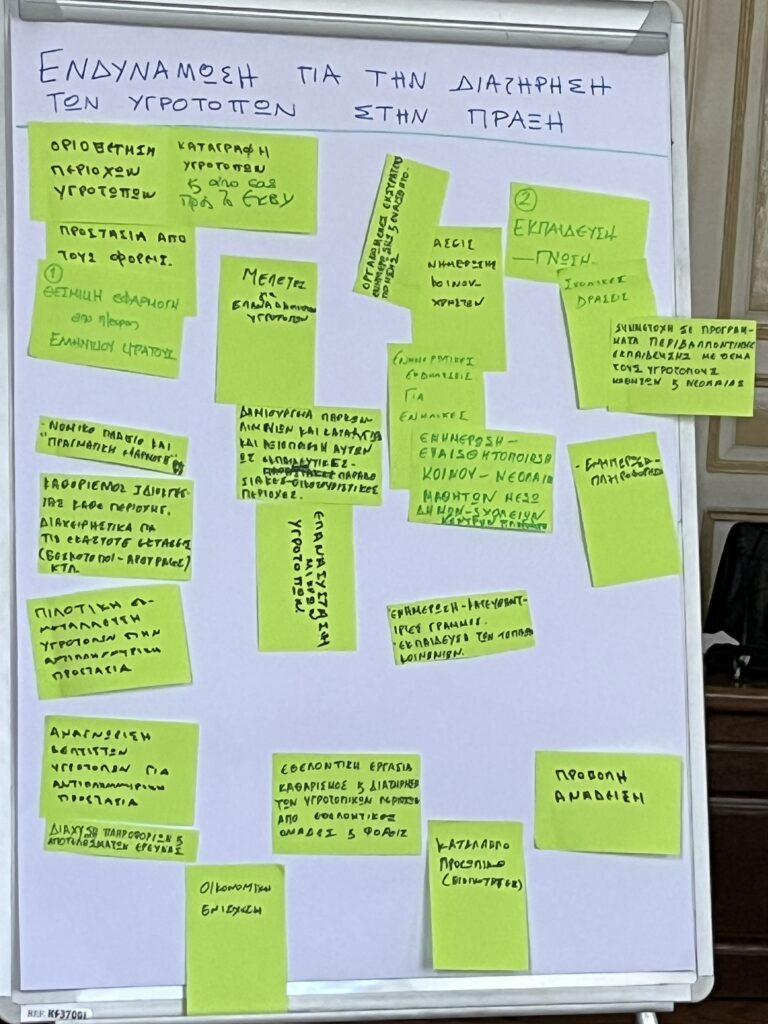
On matters of policy and institutional framework, the active participation of stakeholders highlighted challenges they face relating to the non-availability of mapped, legally designated wetland areas for emergency flooding in the event of potential inundation, the prioritization of such areas based on existing land uses—typically agricultural and livestock-related, and to ownership status, which often hinders action. In response to these challenges, important synergies were identified, such as the NNHMG-EKBY works on the national wetland inventory and the contribution of NNHMG-EKBY within Wetland4Change in identifying wetlands that provide flood-protection services.
Further synergies may be pursued in maintaining wetland areas and examining crop types that thrive under permanent or seasonal flooding. The needs of services and agencies to be strengthened more on the effective conservation/restoration of regional wetlands confirmed the above-highlighted issues, with stakeholders pinpointing the need for mapping datasets of wetland areas and their legal protection, management measures for wetland conservation or restoration based on science-based evidence and actions to promote wetlands and environmental education in the region.
Of course, a recurring major challenge remains the need to reinforce services and agencies with personnel and financial resources.
Participants seemed to be more familiar with the two wetland-based ecosystem services studied within Wetland4Change, as 78% and 72% of them responded, upon our request, that they know of wetlands’ flood regulation and carbon sequestration services and can think of examples from their experience and knowledge.
The event concluded on an optimistic note, with participants proposing actions that could be implemented directly or indirectly to advance wetland protection—both for small and large wetlands—within the Strymon River Basin, and to support the long-term wellbeing of local communities.
Their proposals emphasized the dissemination of information and increased visibility for specific social groups, such as farmers, livestock breeders, and fishers. Communication between NNHMG-EKBY and relevant stakeholders on providing the wetland inventory for the Strymon River Basin is considered an immediate and necessary step, as it will increase the likelihood of these wetlands being adopted as a measure within the Flood Risk Management Plans.
As one participant noted,
“what matters is the wetland network, not each wetland in isolation.”
Equally important is collaboration with local communities for the identification and promotion of their nearby wetland areas. Participants contributed a wide range of creative ideas, including the pilot restoration of a wetland with multiple functionalities. They also raised broader issues requiring attention from both the research community and competent authorities, such as managing the water level of Lake Kerkini to meet diverse needs—environmental and human—and conserving irrigation water, which is becoming increasingly precious due to climate change.
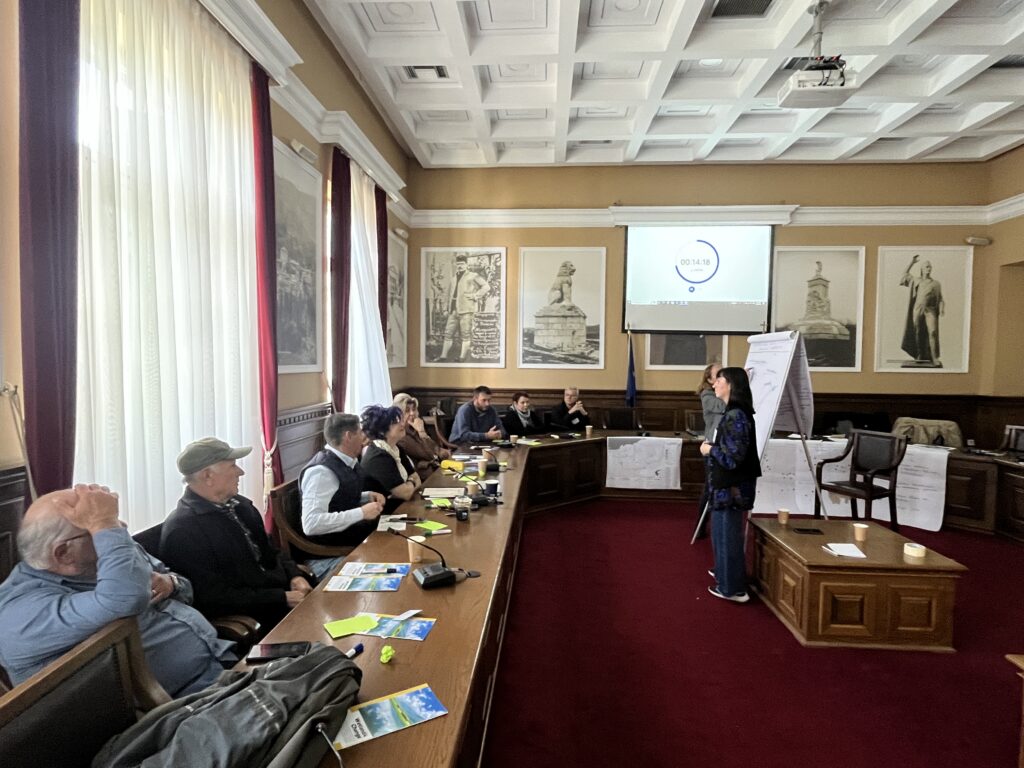
The participatory sessions were complemented by presentations from NNHMG-EKBY’s researchers on the project’s early findings, the characteristics of both major and smaller wetlands within the Strymon River Basin, and the measures identified in management plans for water management, flood-risk mitigation, protected areas, the Common Agricultural Policy, and climate change adaptation. Emphasis on existing or proposed measures and their synergies with wetland conservation introduced a more practical dimension to the discussions, while the targeted identification of challenges and opportunities helped facilitate further action.
We warmly thank all participants of the workshop who, through their active engagement and valuable insights, once again provided rich and useful material for the continued and successful implementation of the Wetland4Change research project and the wider work of NNHMG-EKBY in the region.
As one participant characteristically remarked,
“existing wetlands already carry meaning—we must make use of that knowledge.”
What are the next steps
The project’s next steps include promoting both targeted individual actions and an integrated plan for transferring solutions throughout the region, aiming for the successful continuation of wetland conservation/restoration efforts up to the 3rd and final Local Event. Immediate objectives of the project team are to continue communication and collaboration with stakeholders in order to bring about change for the region’s wetlands, for local wellbeing, and for a balanced relationship with nature. One of our persistent targets is to engage local farmers in our meetings, as to gain more insights on the new obligatory measure within the Greek SP CAP on protection of wetlands and peatlands (Good Agricultural and Environmental Condition 2 – GAEC 2).
The 3rd Technical Meeting of the Wetland4Change project will follow in Thessaloniki and Kerkini, during which project partners from Bulgaria, Italy, France, and Spain will visit the Kerkini area to carry out project activities and discuss issues related to implementing wetland protection within the 2023–2027 Common Agricultural Policy Strategic Plan.