For World Wetlands Day 2026, we shifted the spotlight from abstract landscapes to the people who inhabit them.
Through an editorial journey across our five Mediterranean pilot sites, titled “Cultural Communities of the Pilot Sites,” we set out to prove that wetlands are not just ecological infrastructures or “protected areas” on a map. They are vibrant cultural systems where traditional knowledge is not a relic of the past, but the ultimate tool for climate resilience.
A Journey Across the Mediterranean
The campaign unfolded as a mosaic of voices, each anchoring the ecological value of wetlands to a specific human face and tradition:
Sardinia (Italy) and the grey mullet bottarga of Marceddì lagoons: Meet Daniele
Sardinia, Italy: In the Gulf of Oristano, Daniele Colombu, president of the Marceddì fishing cooperative, spoke of a legacy tied to the Grey Mullet Bottarga. For him, the warming Mediterranean is not a statistic; it is seen in “crazy” species behavior and fish spawning year-round. If the lagoon suffers, a culinary excellence and a way of life disappear.
Watch it on Instagram:
View this post on Instagram
Struma River (Bulgaria) and the last keepers of traditional basket weaving: Meet Grandpa Dimcho
Struma River, Bulgaria: At 93, Grandpa Dimcho remains one of the last keepers of traditional basket weaving. His craft relies entirely on the willow and cornel branches provided by a healthy river. His story reminds us that when ecosystems collapse, the “hand-made” knowledge of centuries vanishes with them. Watch it on Instagram:
Lake Kerkini (Greece) and the buffalo breeders: Meet Tryfonas
Lake Kerkini, Greece: For Tryfonas, a buffalo breeder, the wetland is a workspace shaped by four generations. Buffaloes aren’t just livestock; they are ecological stewards that maintain open habitats. Yet, shifting vegetation and violent storms are now challenging this ancient balance.
Watch it on instagram:
View this post on Instagram
In Camargue (France) grazing is not just farming it is landscape management: Meet Julien
The Camargue, France: Here, Julien Bourjaillat manages a herd of 300 bulls and 40 horses in rhythm with seasonal floods. In the French delta, grazing is landscape management—keeping wetlands open and diverse. As droughts and rising salinity alter the delta, the challenge is to adapt the practice without losing the philosophy of “working with nature.” Watch it on instagram:
Albufera (Spain) and the rice farmers: Meet Salvador
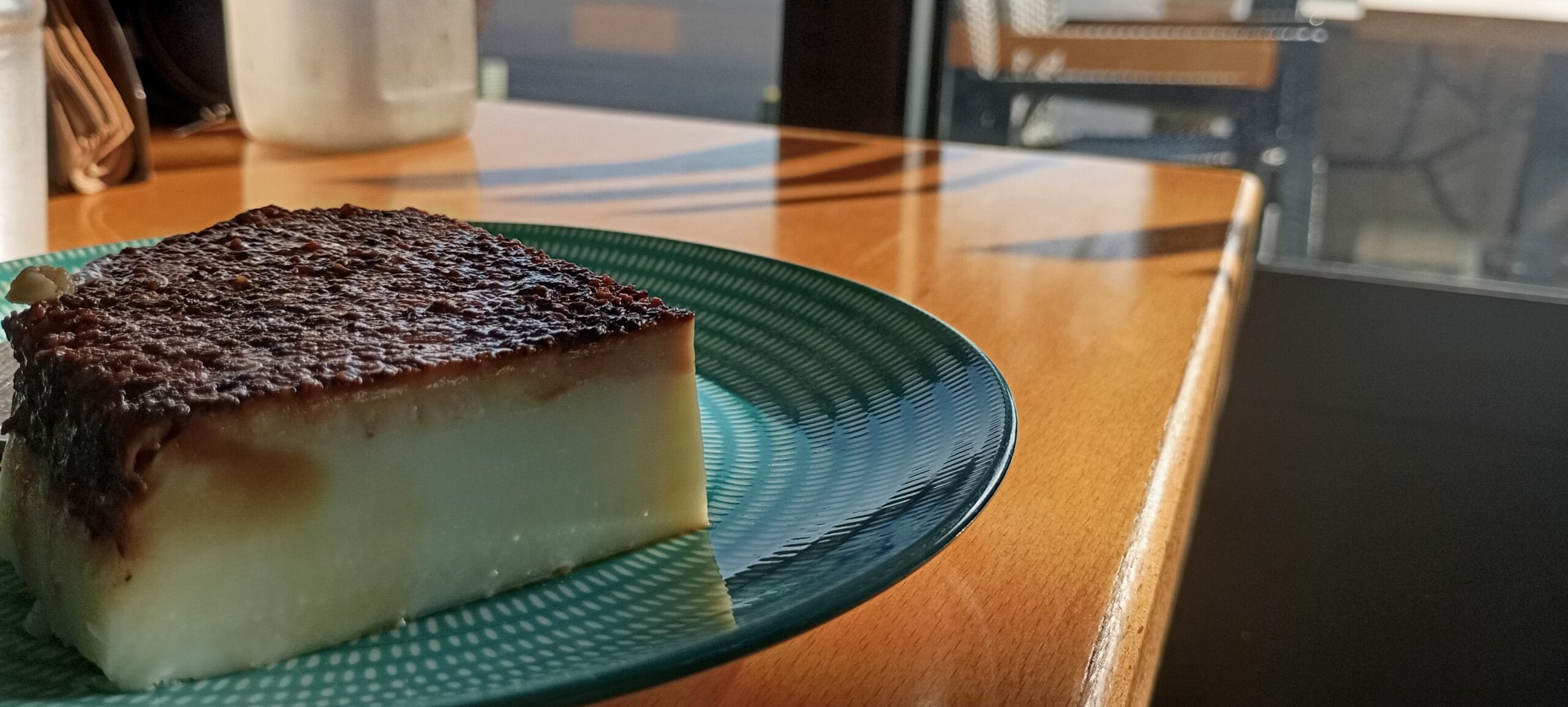
Albufera, Spain: The journey concluded with a stark reality check from Salvador Romero, a rice farmer. The devastating DANA storm of 2024 submerged hectares of fields, halting harvests for over a year. It was a reminder that the world-famous Paella—the heart of Valencian identity—cannot exist without the fragile protection of the wetland. Watch it on instagram:
Wetlands as Cultural Infrastructure
What emerged from this journey is a consistent, powerful pattern: wetlands are socio-ecological systems. The 2026 theme—Wetlands and Cultural Heritage—highlights that protecting these areas is not just about birds or plants. It is about safeguarding “Living Knowledge.” This knowledge isn’t static or nostalgic; it is operational. The fishing techniques of Marceddì, the grazing patterns of the Camargue, and the water management in Albufera are all forms of adaptation that have been tested over generations.
“Protecting wetlands means protecting the people who live with them, every day. These practices are not just heritage; they are tools for resilience.”
The Wetland4Change Vision
For us, this World Wetlands Day was about reframing the conversation. We chose to move away from generic environmental warnings to show that climate adaptation starts where people and nature have always learned to coexist.
Traditional knowledge is an asset. It encodes the logic of observation and response that we desperately need for a changing future. By foregrounding the “Hands of the Wetland,” Wetland4Change has shown that conservation is not a choice between nature and people, but a shared path.
As the 2026 campaign concludes, the message remains clear: We must protect wetlands because they sustain the economies, identities, and ways of living that make the Mediterranean what it is.
Because behind every wetland, there are people. And within every story, there is a future worth inheriting.
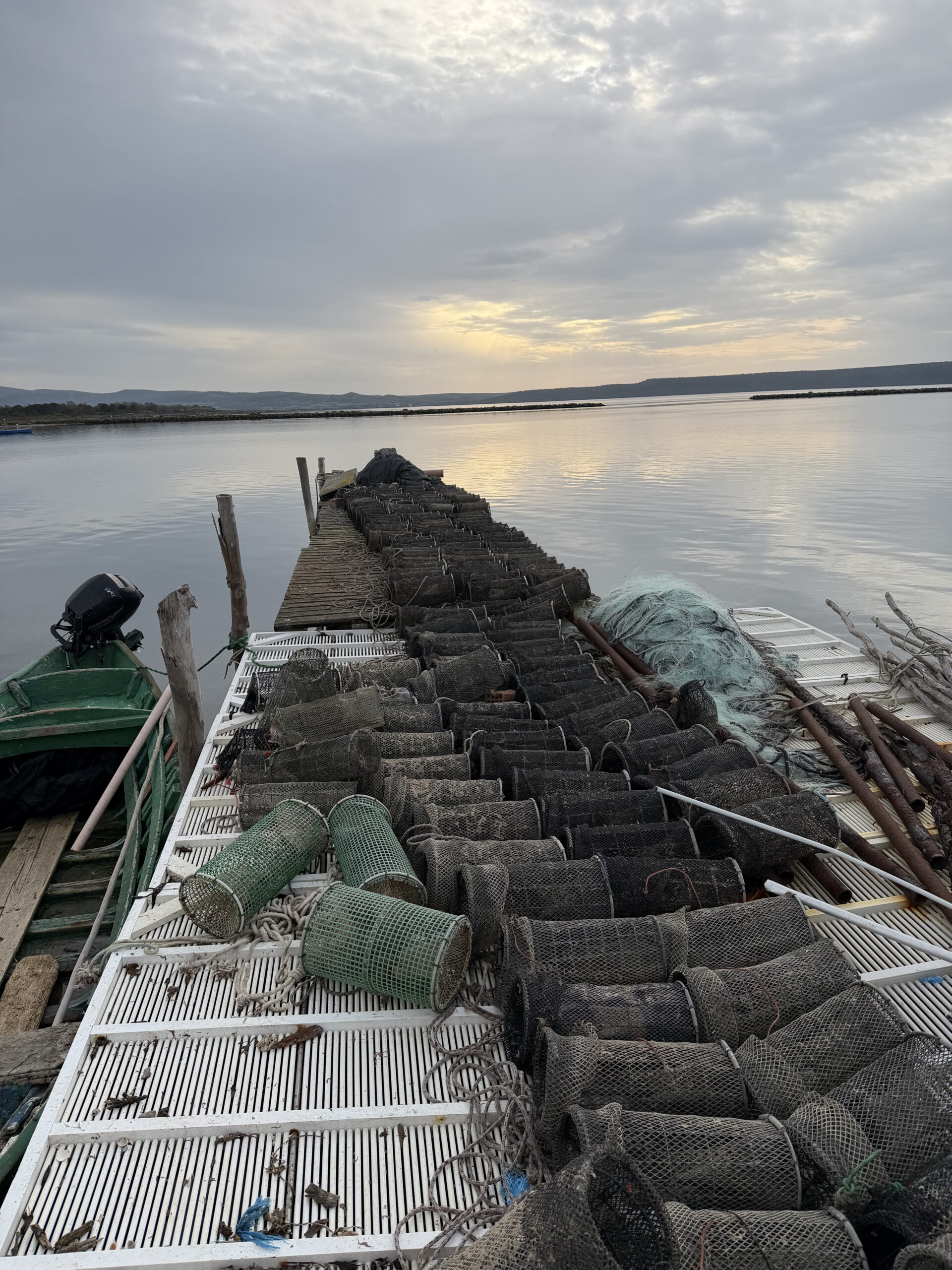
Marceddì Lagoon
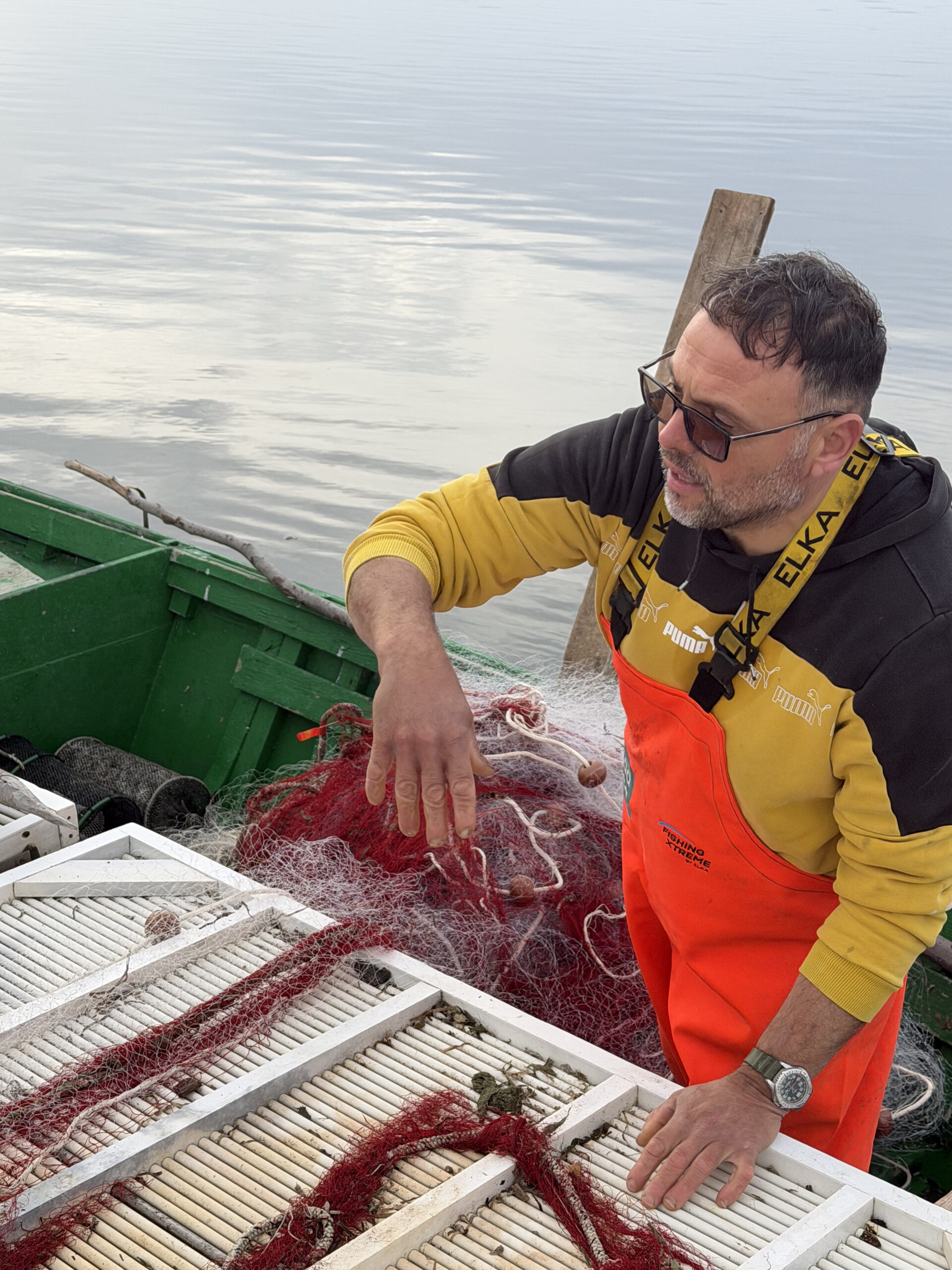
Marceddì Lagoon Sardinia
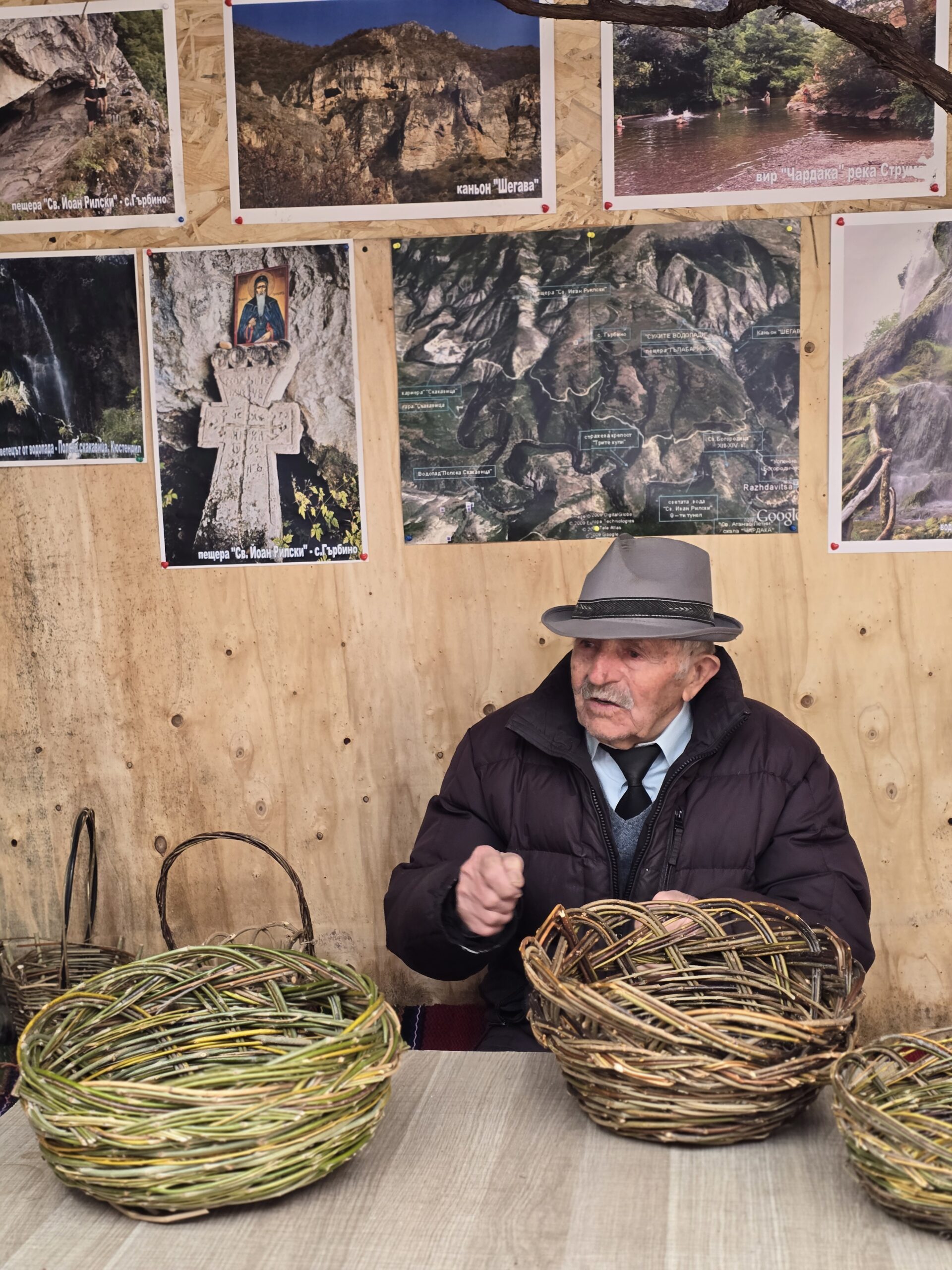
Struma Catchment Grandpa Dimcho
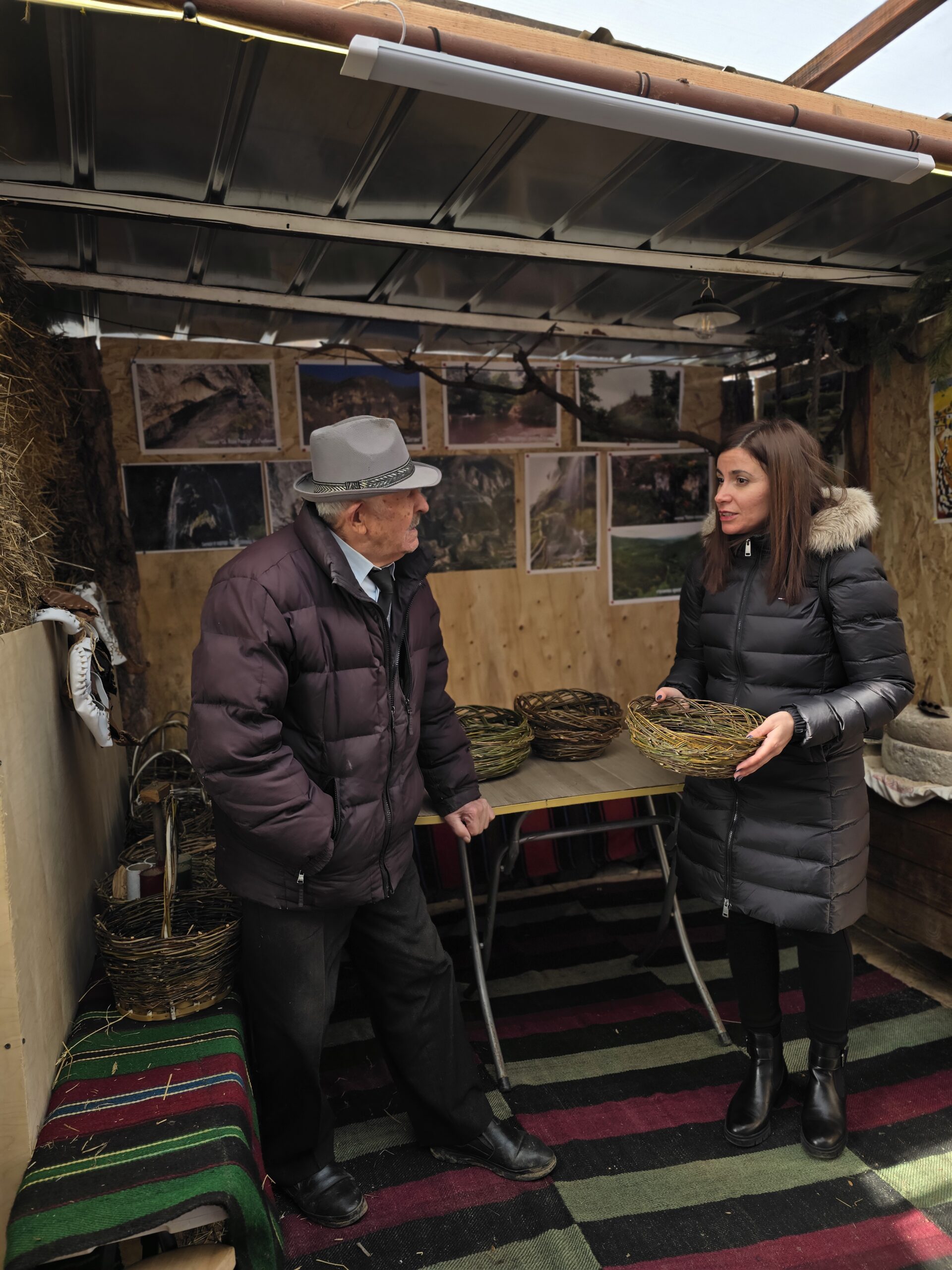
Struma Catchment (Bulgaria)
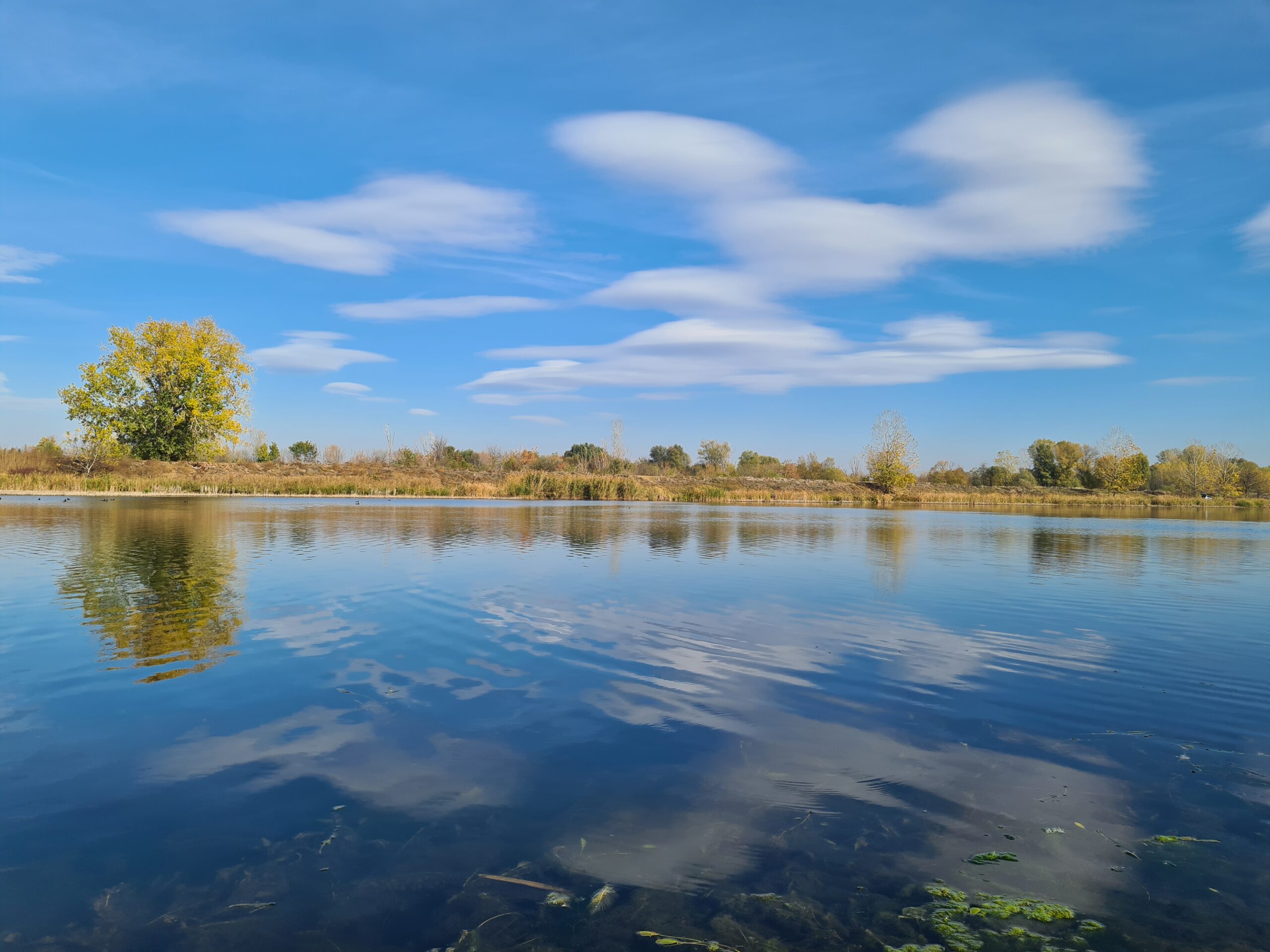
Struma Catchment
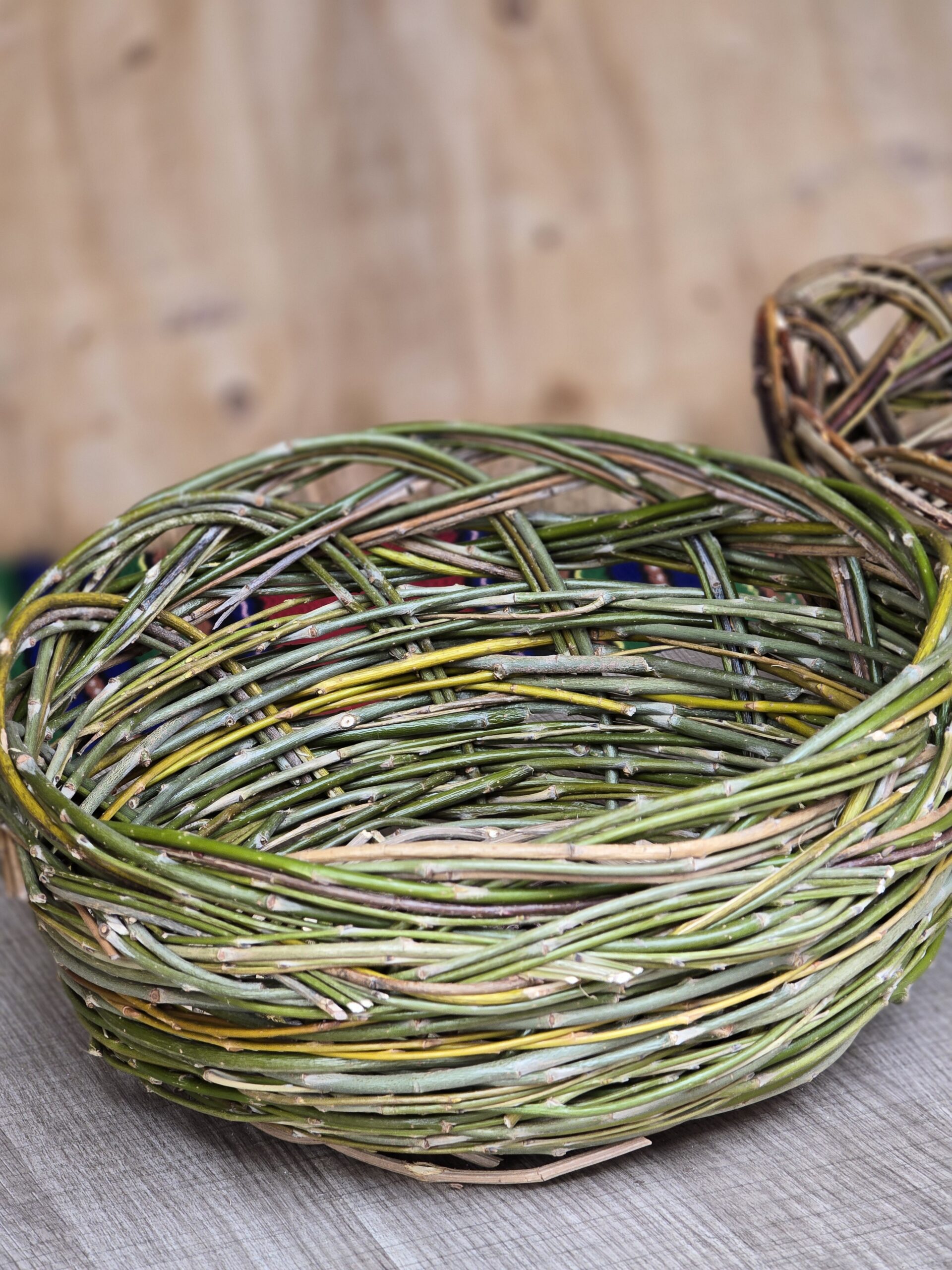
Struma Catchment Baskek detail
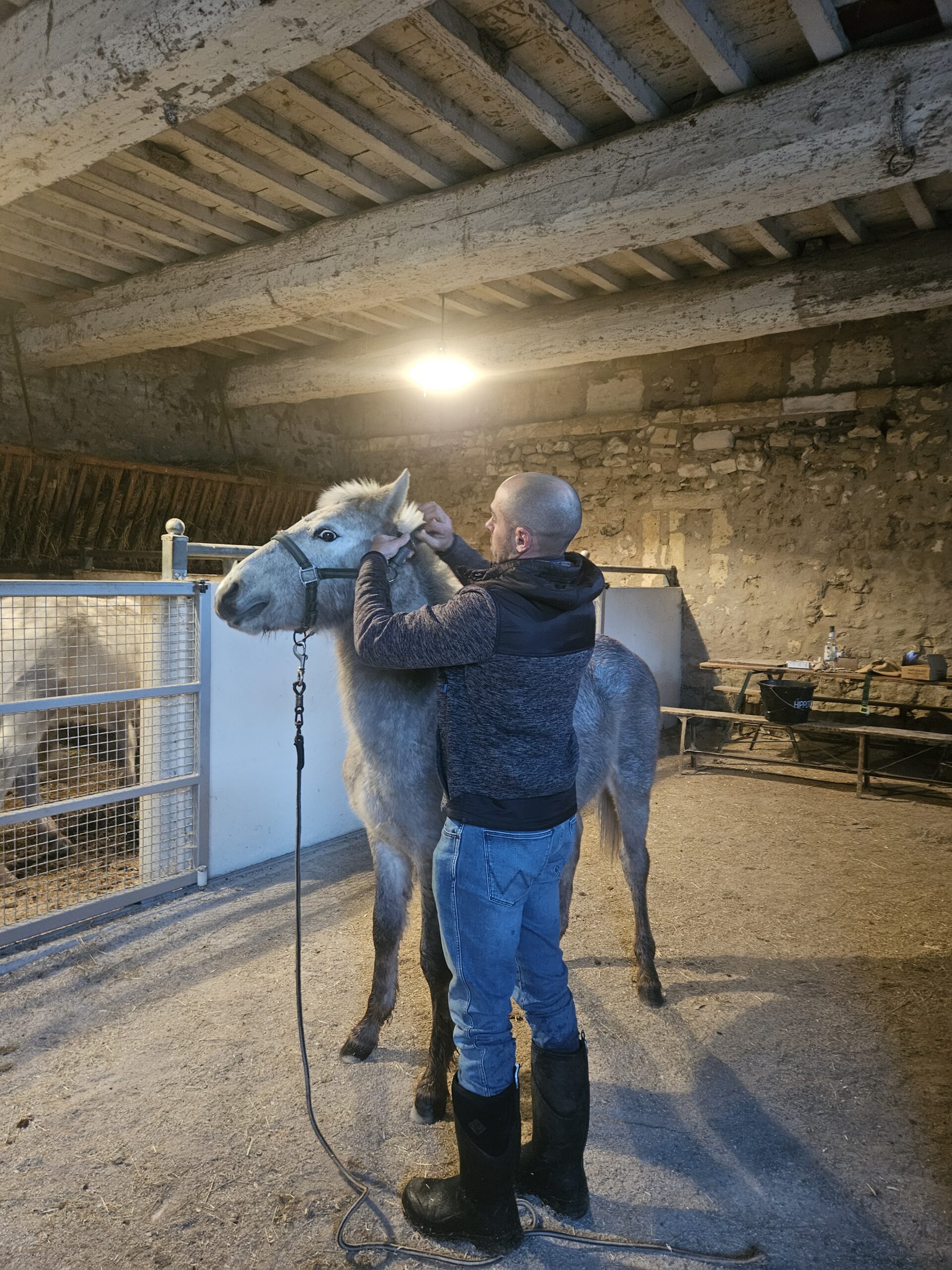
Camargue (France)
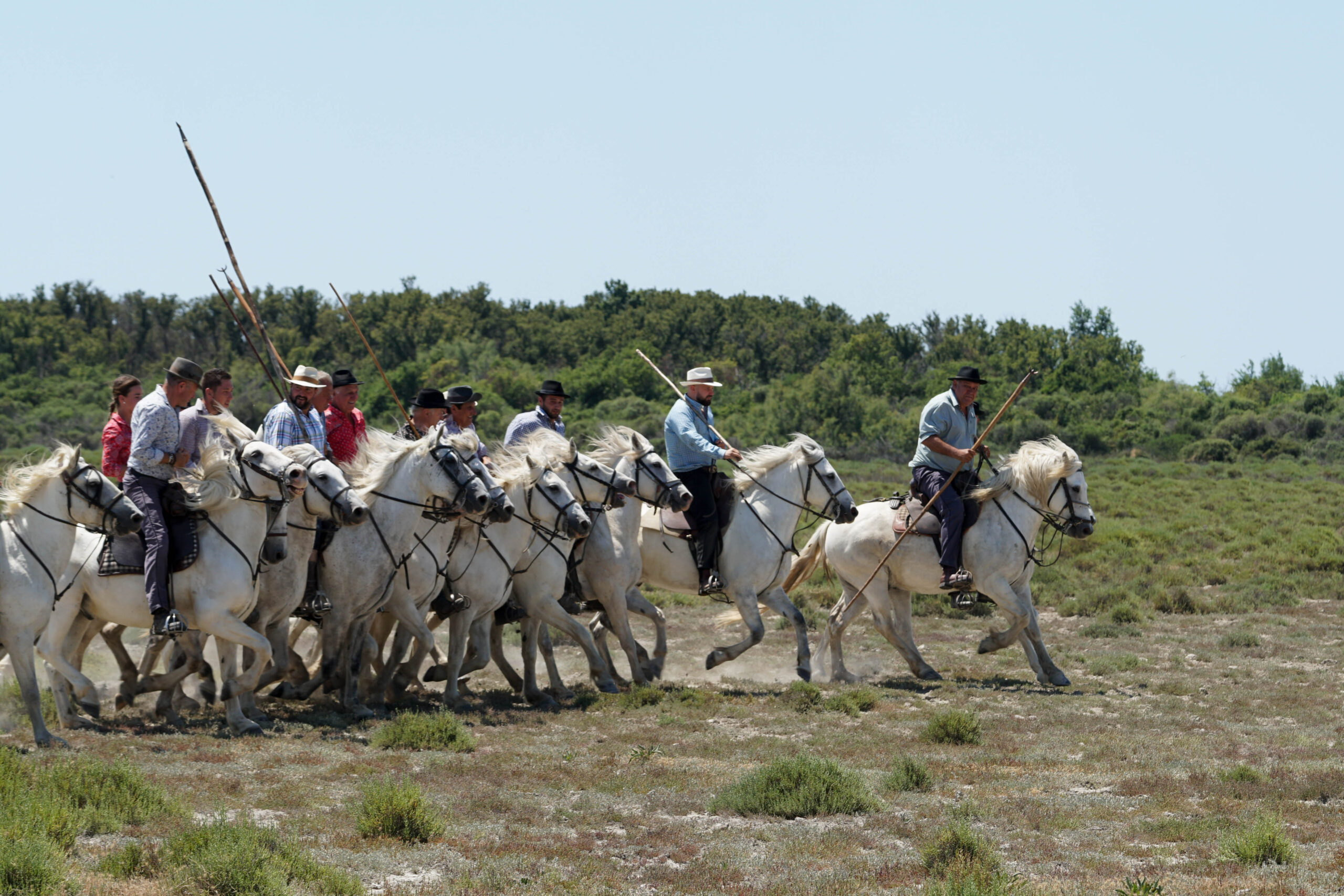
Ferade Domain Tour Du Valat – A.GRANGER
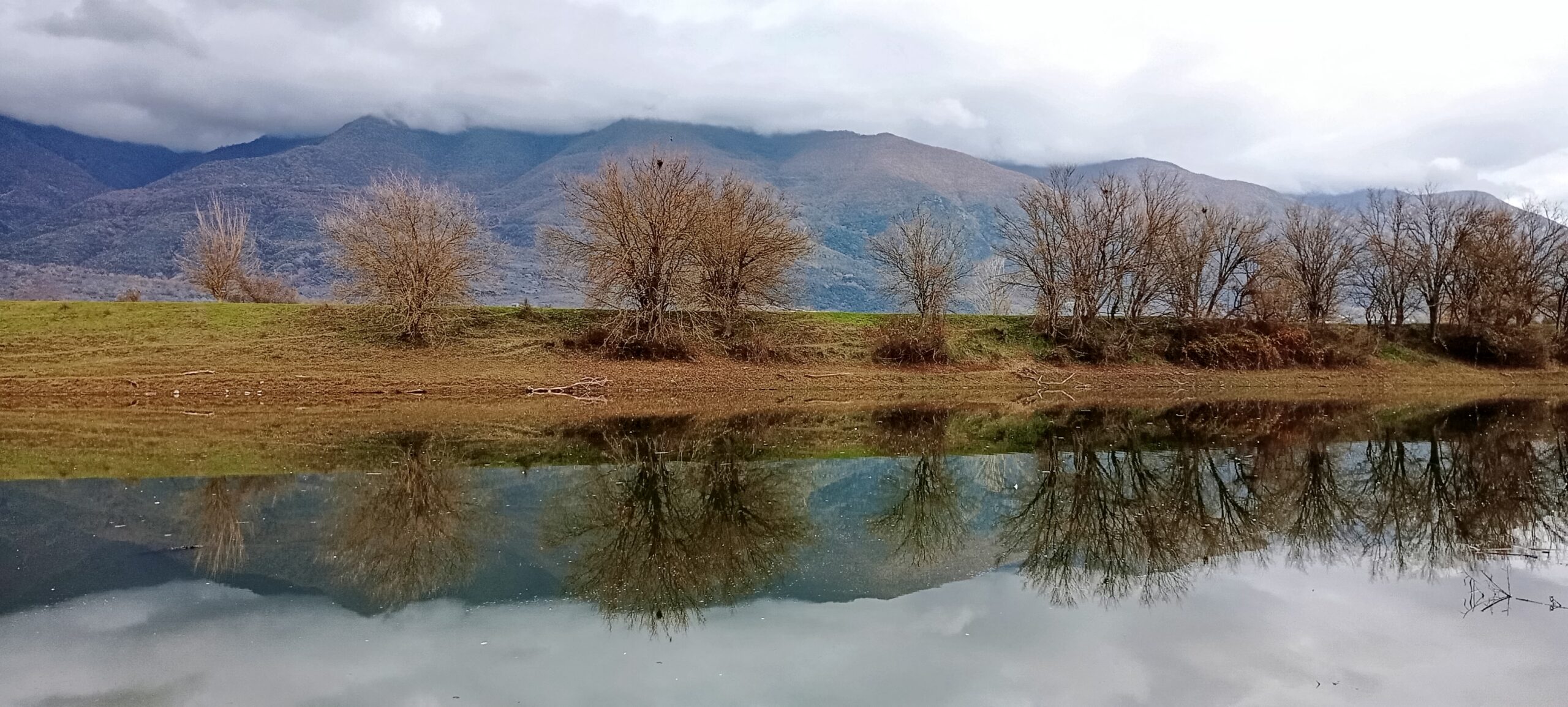
Kerkini Lake (Greece)
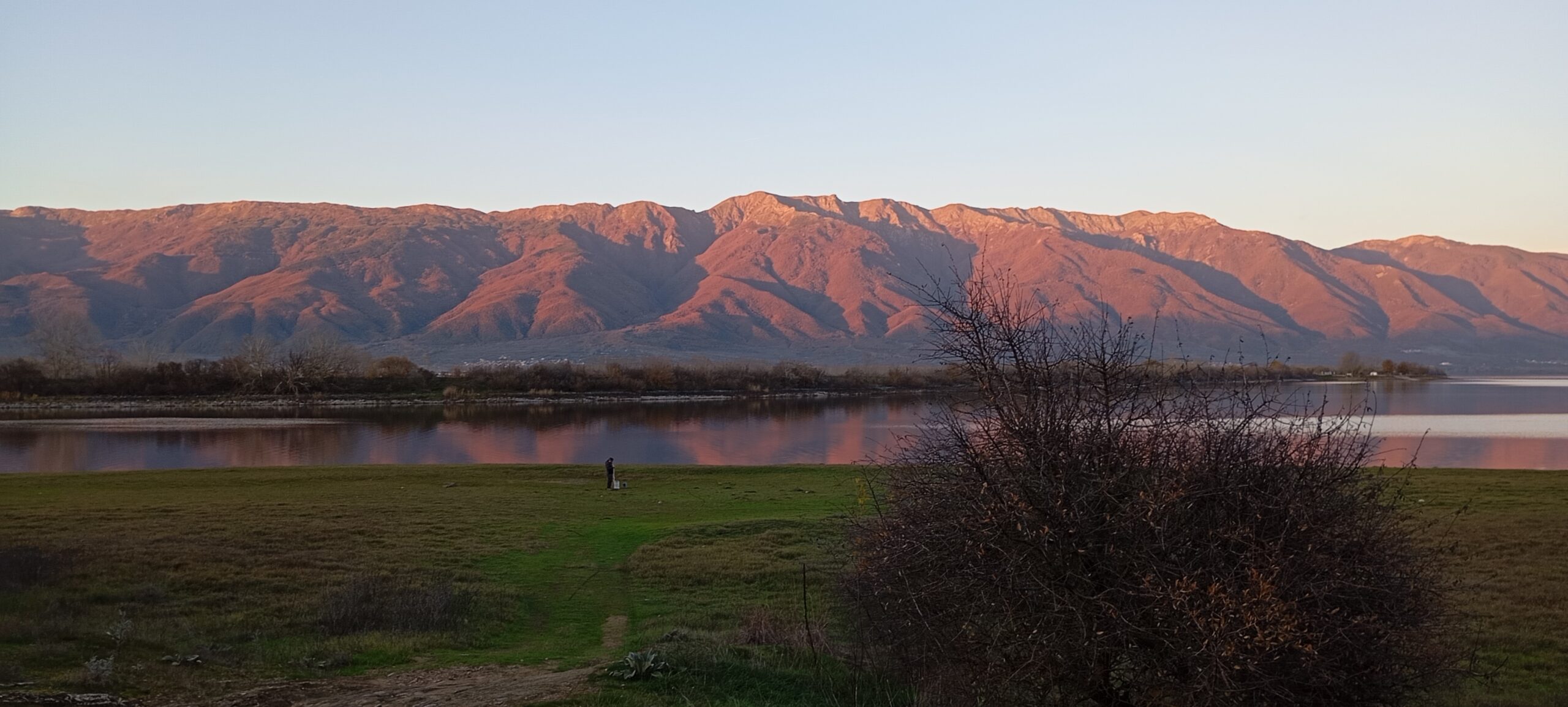
Kerkini Lake (Greece)
Kerkini Lake (Greece)
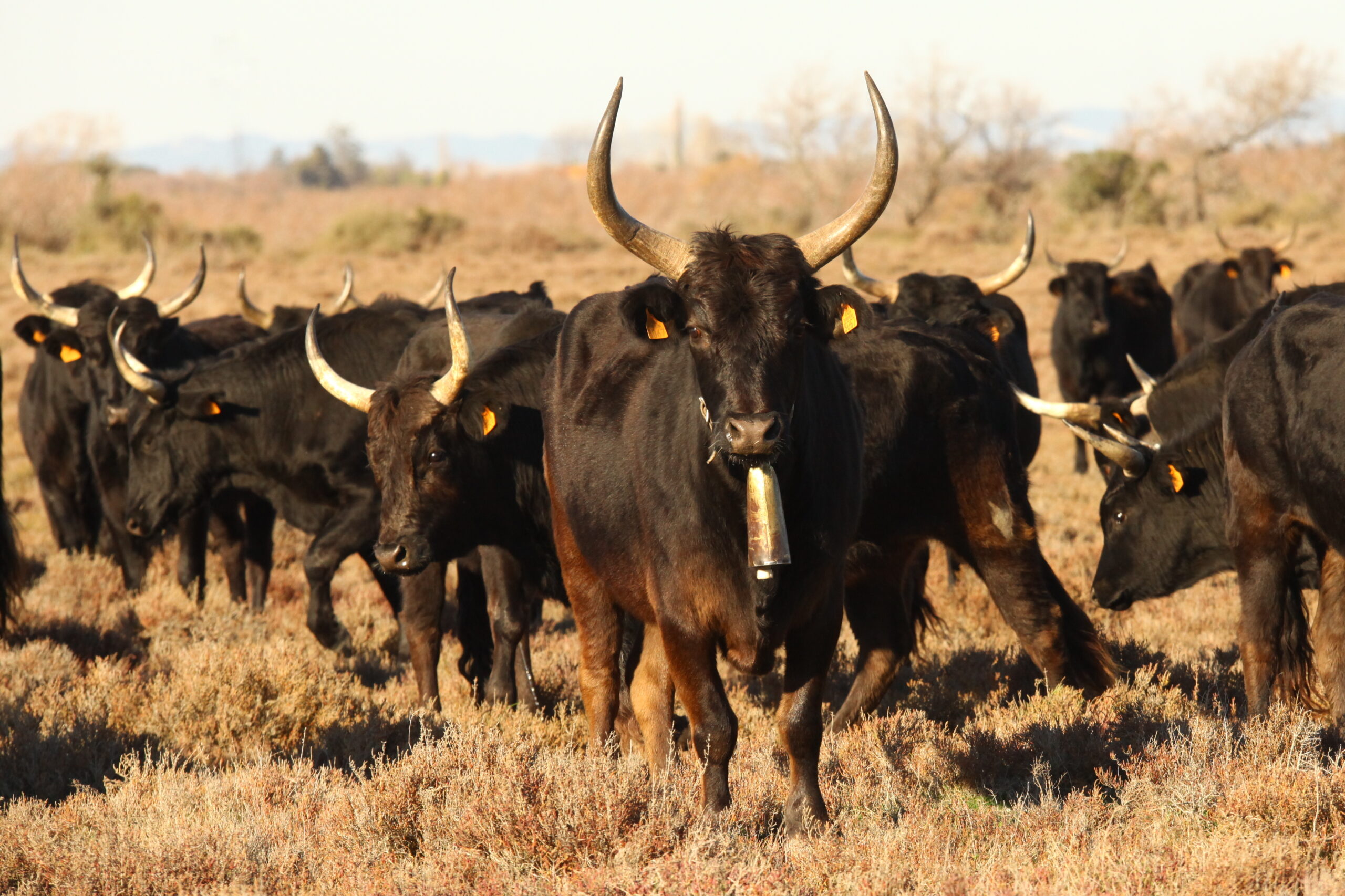
Ferade Domain Tour Du Valat – J.Jalbert
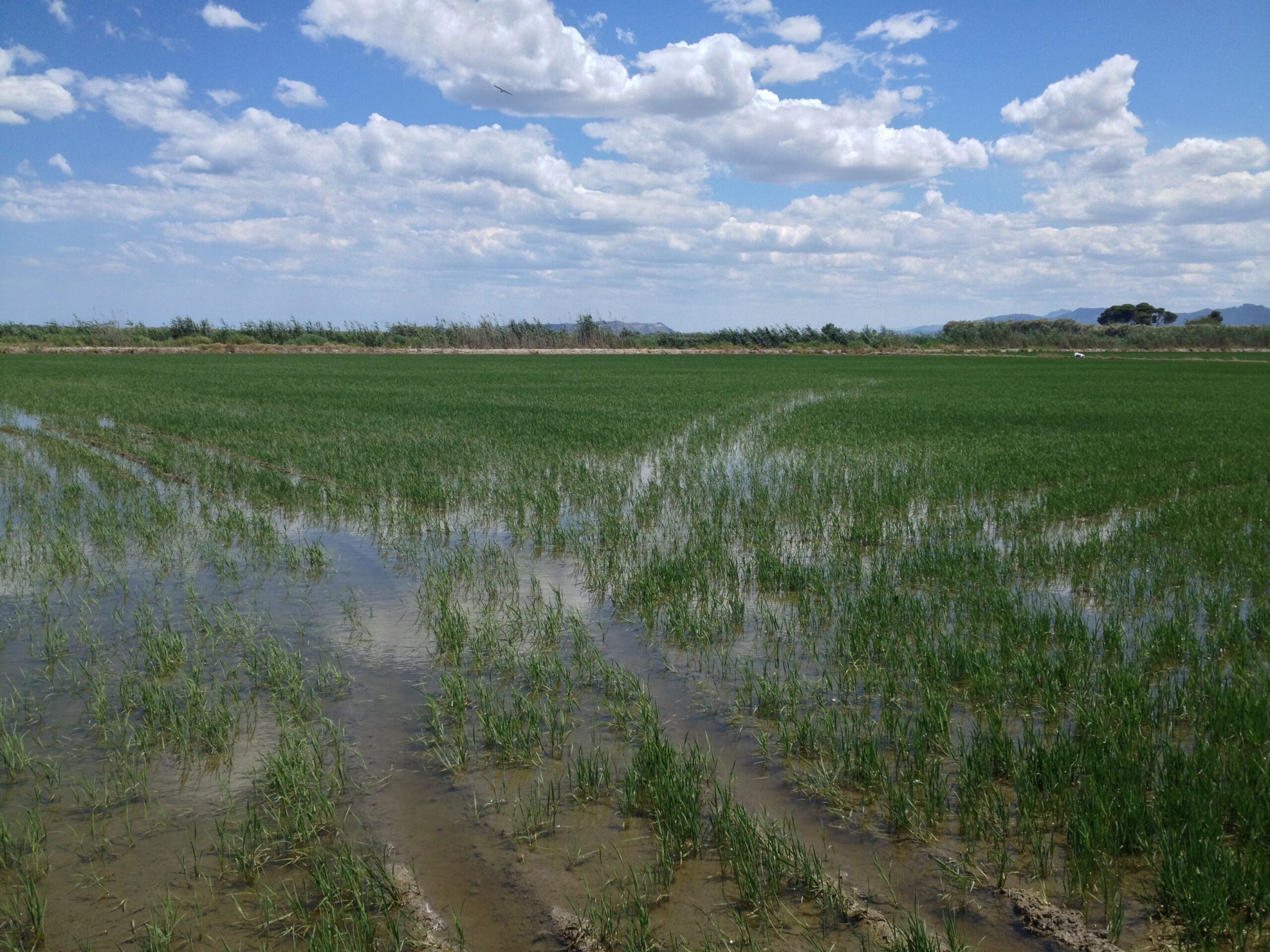
Rice fields Albufera Spain (1)