
The Wetland4Change project partners convened on 21–22 April in Bulgaria for a technical meeting that blended rigorous scientific exchange with on-the-ground reflection, reinforcing the project’s mission to enhance wetland-based climate solutions across Europe.
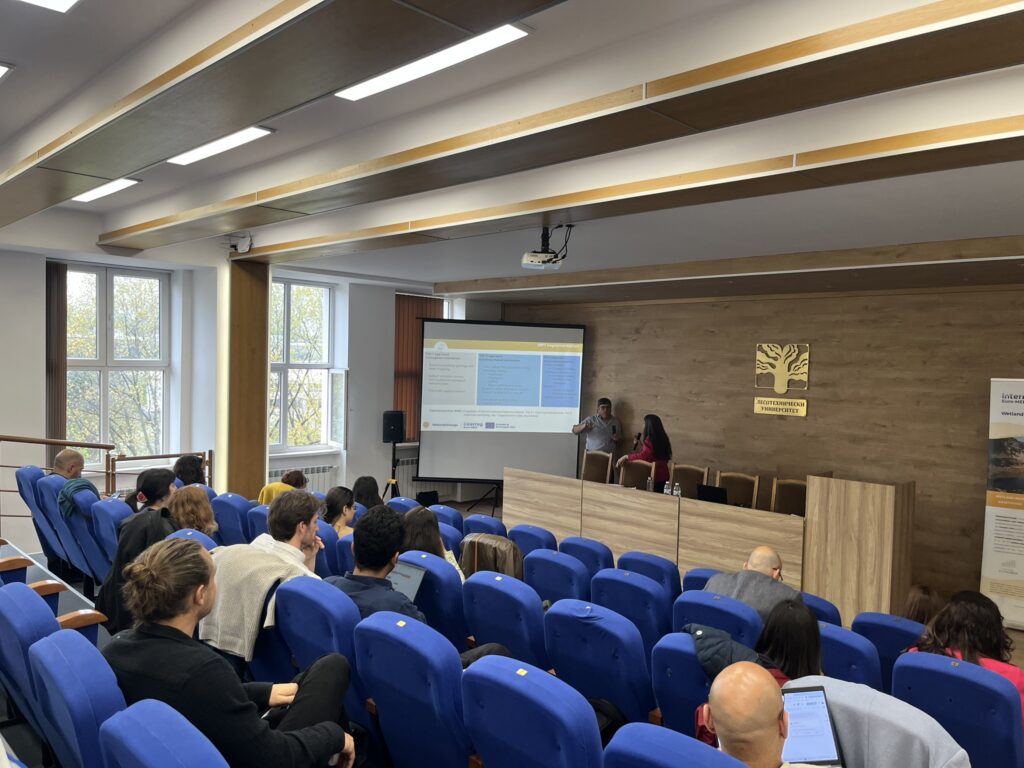
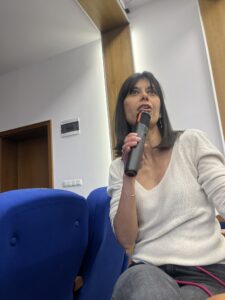
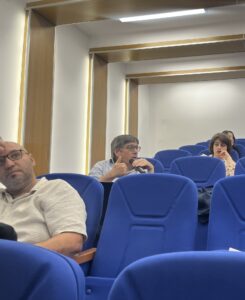
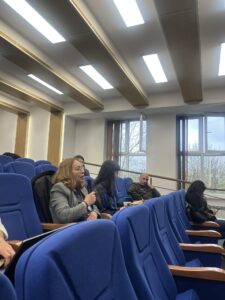
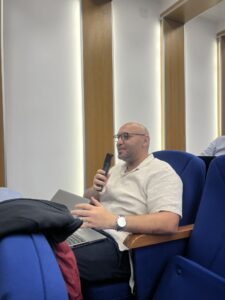
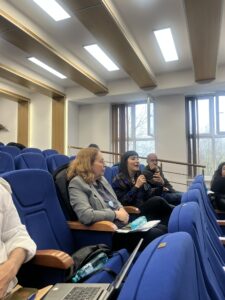
The first day of the meeting, hosted by the University of Forestry in Sofia, was marked by a highly productive exchange on the key results achieved across the project’s five pilot sites. Discussions focused particularly on progress in carbon monitoring and flood regulation, two core ecosystem services at the heart of Wetland4Change.
The gathering brought together associated partners, representatives from the Natural Heritage Mission, policymakers, researchers, and stakeholders working in wetland management, climate adaptation, and water governance. The presence of students added an inspiring academic dimension, fostering knowledge exchange across generations.
A central focus of the day was the presentation of the data collection methodologies for carbon sequestration and flood regulation.
Partners reviewed the three-tier framework applied across pilot sites for greenhouse gas (GHG) flux estimation:
Tier 1: Conceptual estimation based on wetland typology and basic mapping
Tier 2: Dataset-based estimation incorporating hydrochemistry, hydroperiod, and vegetation data
Tier 3: Direct in situ measurements using closed chamber methods for high-accuracy flux monitoring
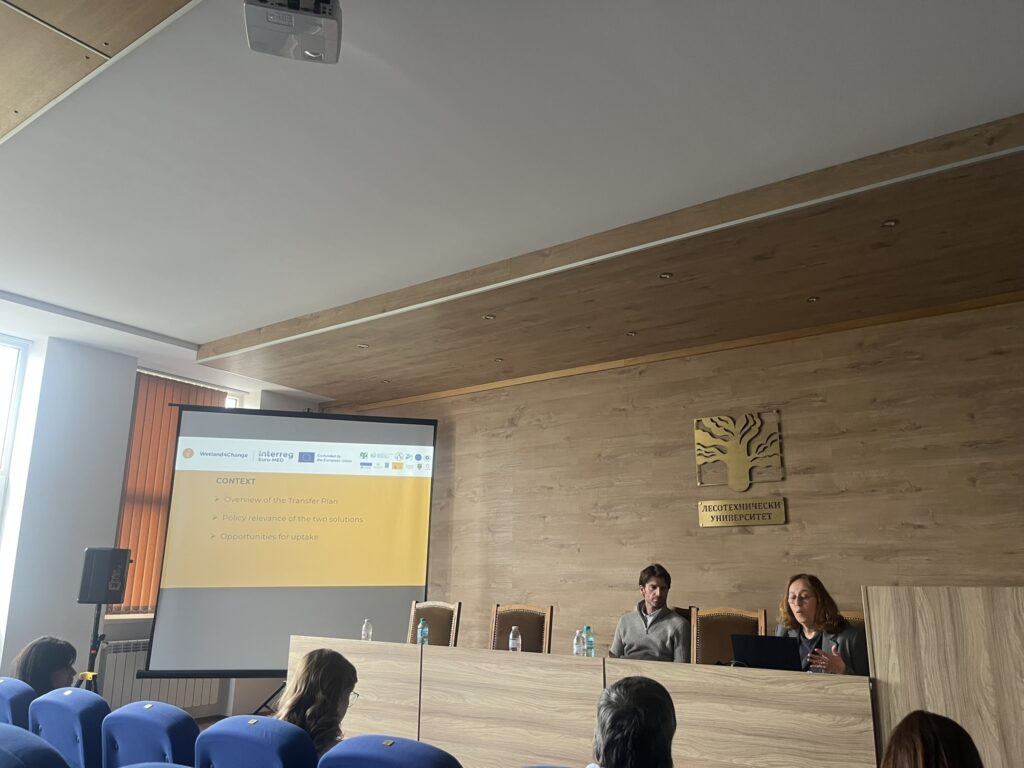
Similarly, flood regulation assessment through Nature-Based Solutions (NBS) followed a structured three-tier approach:
Tier 1 – Baseline: Global or regional datasets providing first approximations
Tier 2 – Enhanced: National and local data improving spatial resolution
Tier 3 – Detailed: In situ measurements and modelling for validation and high precision
A key outcome of the discussions was the consolidation of datasets. Partners initiated a comprehensive quality check process and identified gaps requiring additional data production. Once validated, all data are being integrated into the project’s methodological protocol and uploaded to the wetlands knowledge platform, ensuring accessibility and usability for a broader audience of practitioners and policymakers.
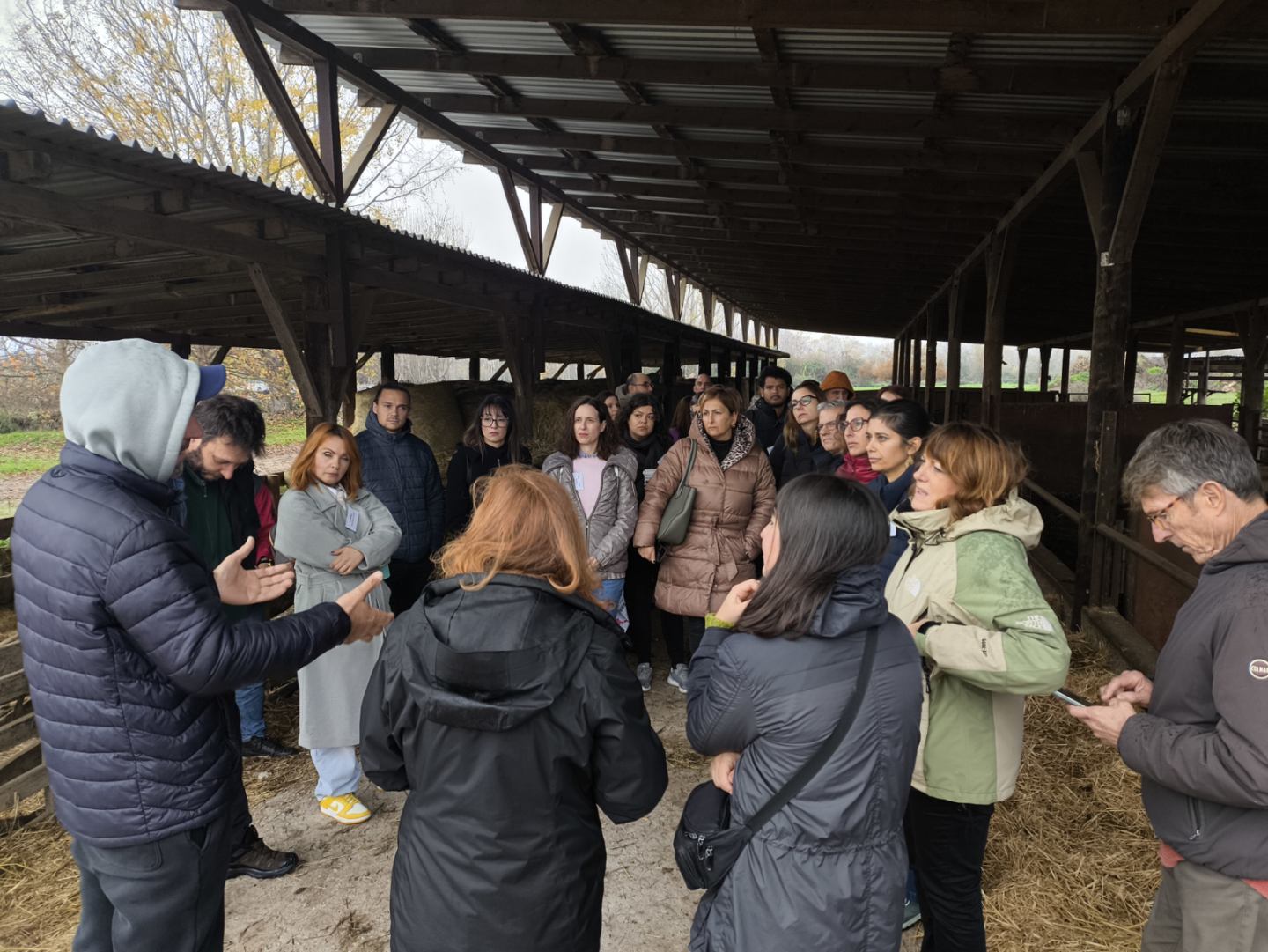
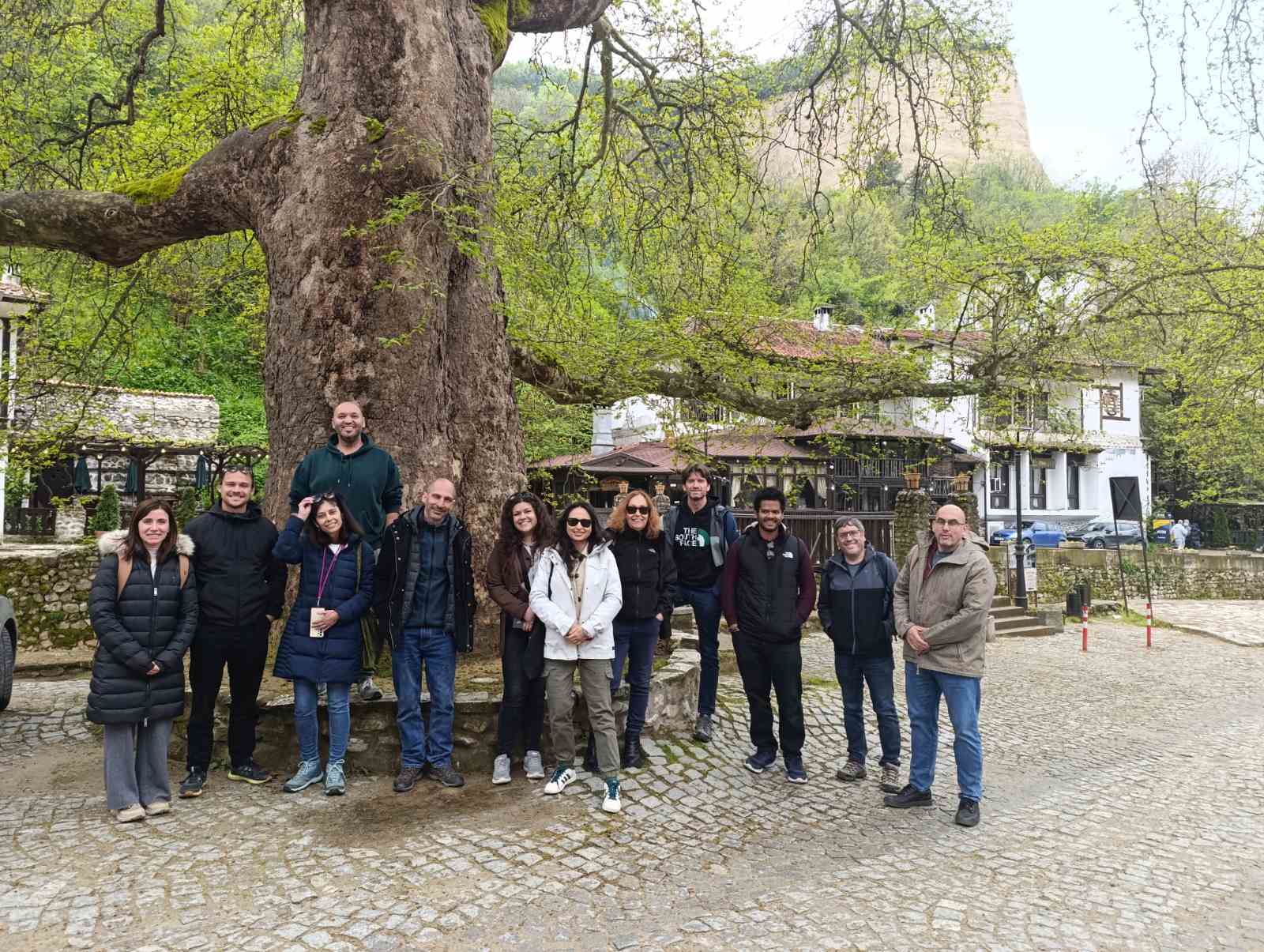
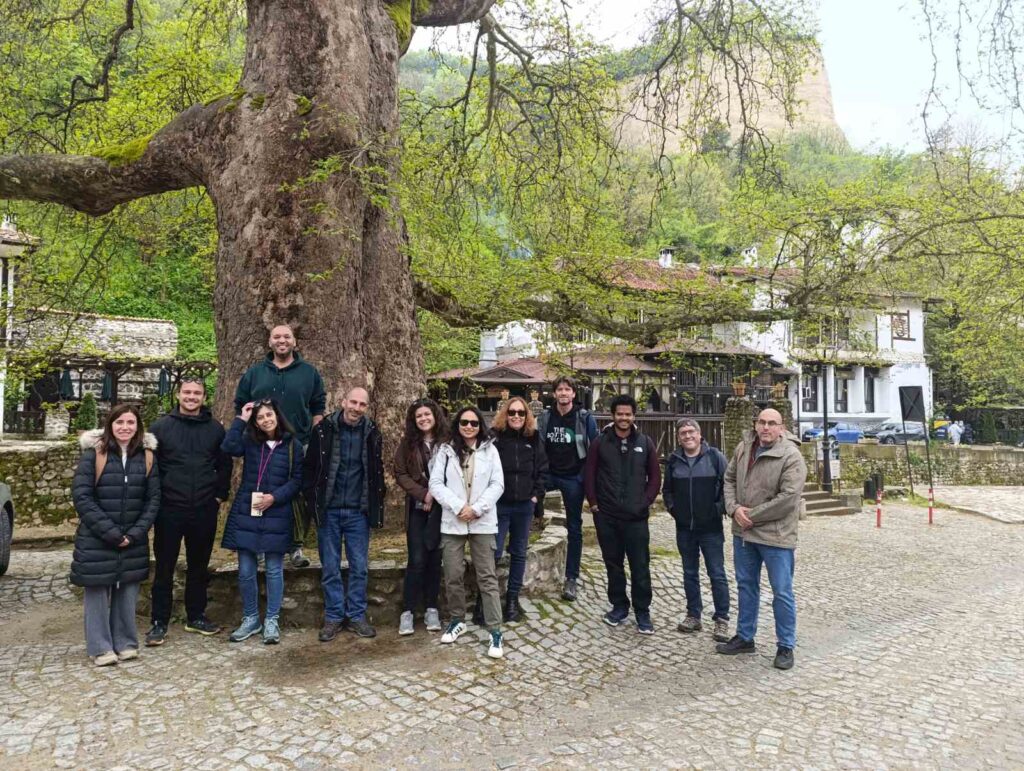
Building on the momentum of the first day, participants stepped outside the meeting room on 22 April to mark Earth Day with a field visit in the Melnik region, in southern Bulgaria.
Following the course of the Struma River a vital basin within the project’s scope, the group experienced firsthand the interconnectedness of ecosystems, landscapes, and local communities. The visit highlighted the tangible importance of wetlands in regulating water systems, supporting biodiversity, and enhancing climate resilience.
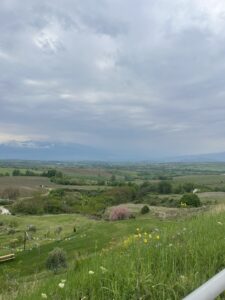
This immersion in nature served as a powerful reminder of the project’s broader purpose: strengthening the capacity of wetlands, safeguarding these essential ecosystems, and fostering collaboration with local stakeholders to build a more resilient future.