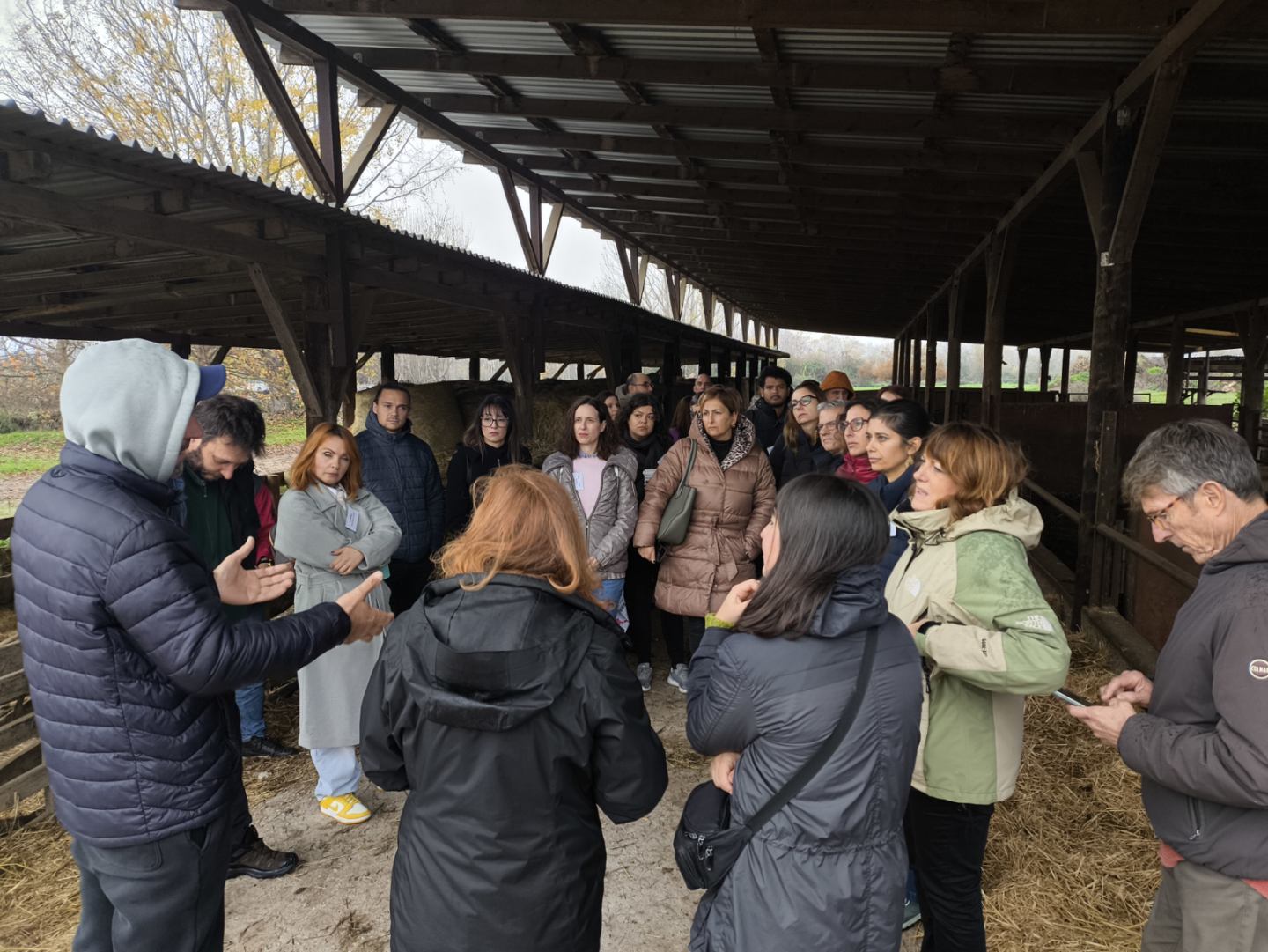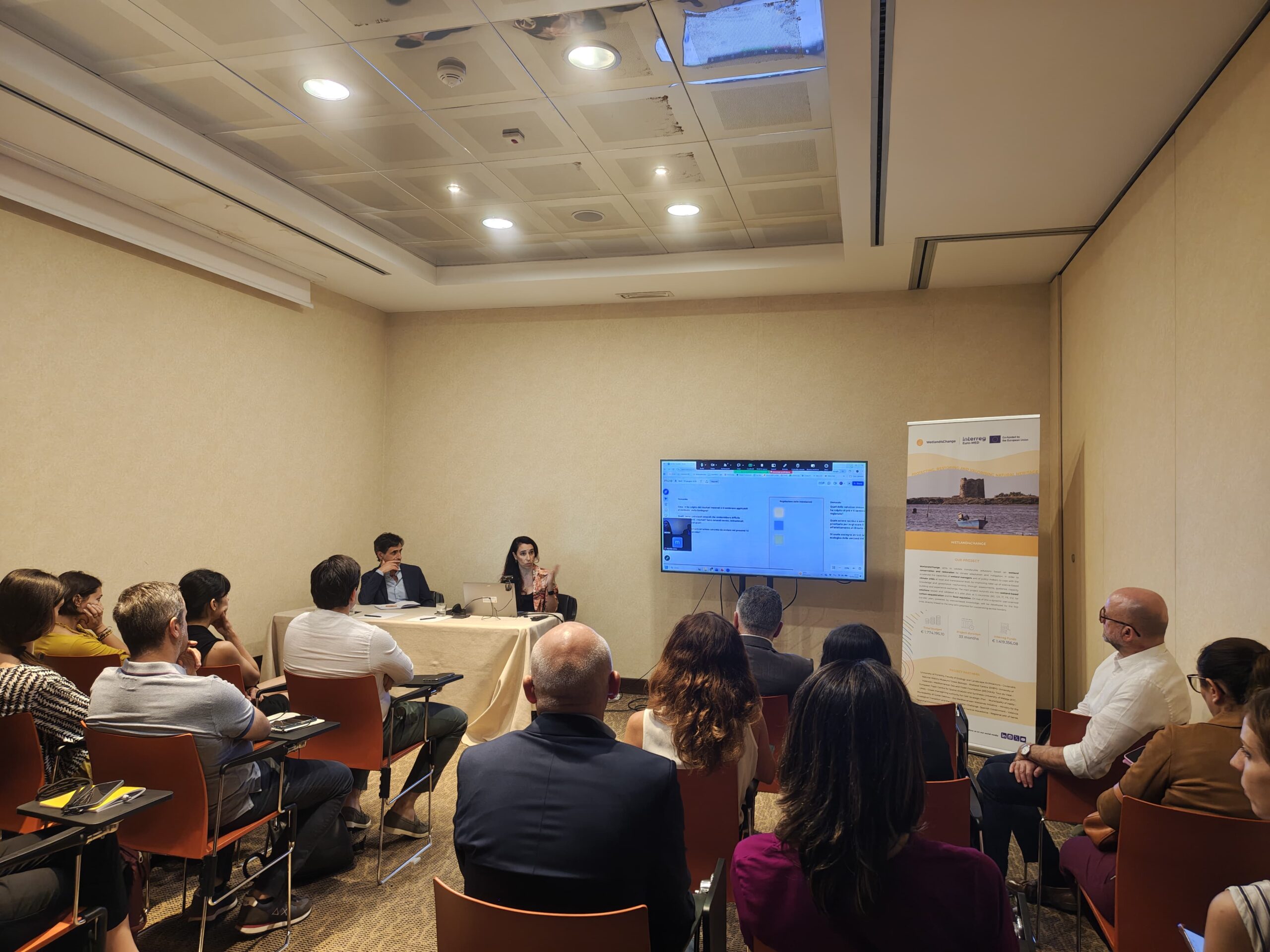

Last week, the Wetland4Change project successfully concluded its final local stakeholder meetings in the three pilot areas: Spain, Italy, and Bulgaria.
The meetings brought together competent authorities, land managers, researchers, and local stakeholders to discuss the project’s validated tools and management practices aimed at enhancing the carbon sequestration capacity of wetlands. The events also provided an important opportunity to strengthen cooperation among key actors and encourage the uptake of wetland conservation and restoration measures.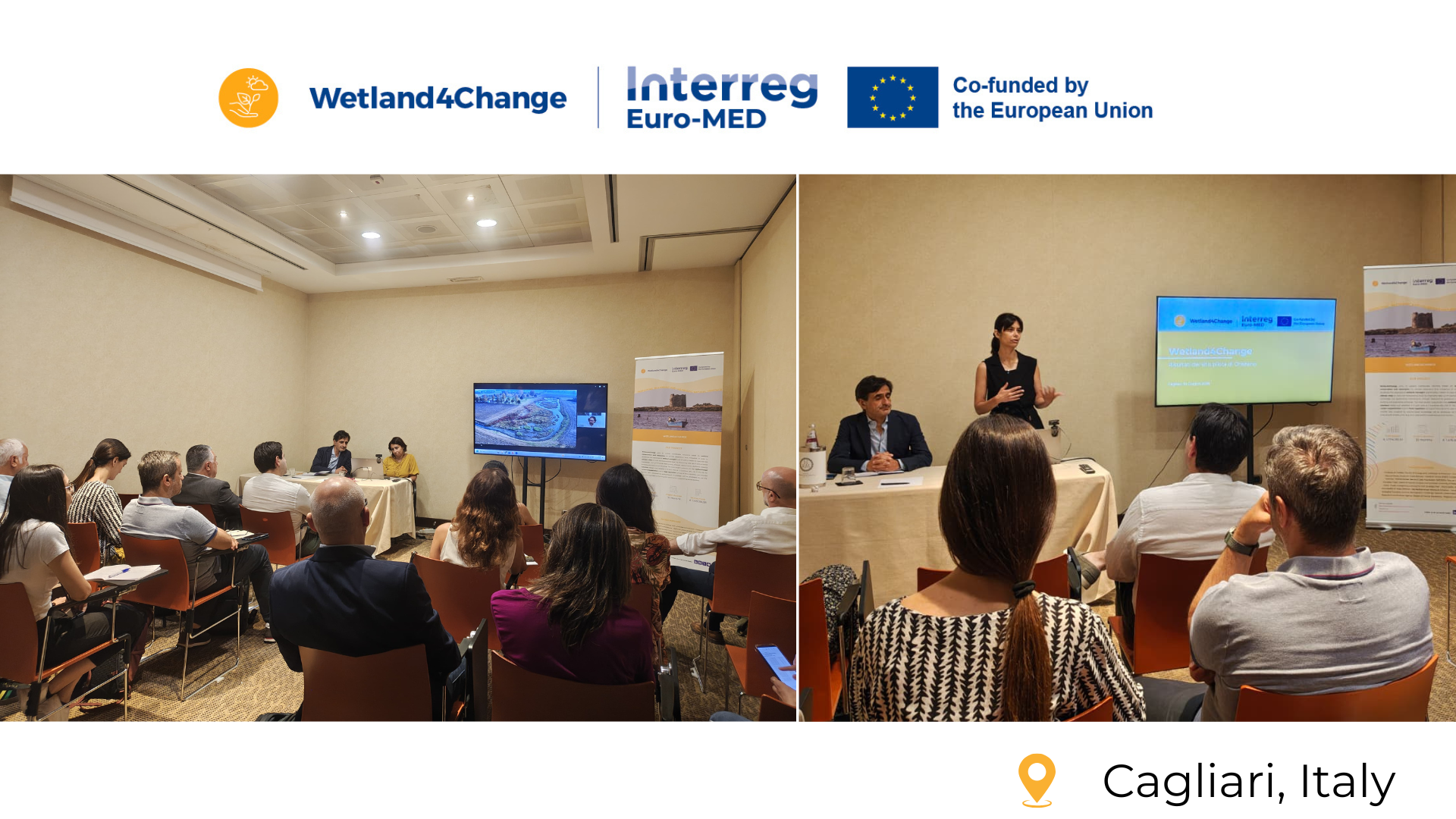
A central objective of these final meetings was to engage stakeholders as future end-users of the project’s results, fostering a deeper understanding of how sustainable wetland management can contribute to both climate mitigation and ecosystem resilience.
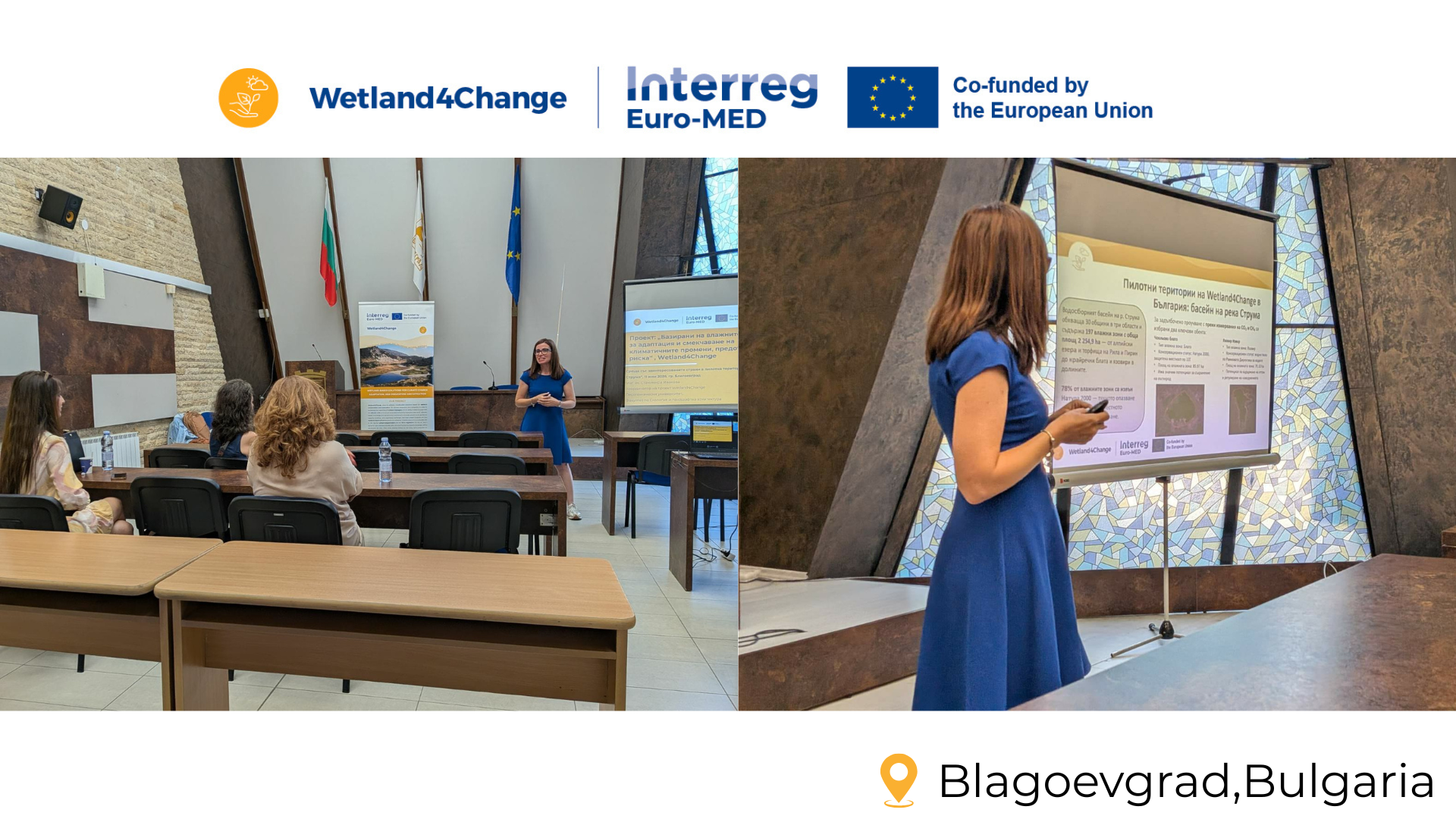
During the workshops, participants reflected on how the methodologies and results developed within Wetland4Change could be applied in their local contexts. Discussions focused on identifying opportunities and potential barriers to implementation, as well as the organizations and actors that could help translate the project’s findings into practical actions flood regulation and carbon sequestration. Through interactive exchanges, stakeholders explored the relevance of these solutions for their territories and discussed pathways for integrating them into future management and policy initiatives.
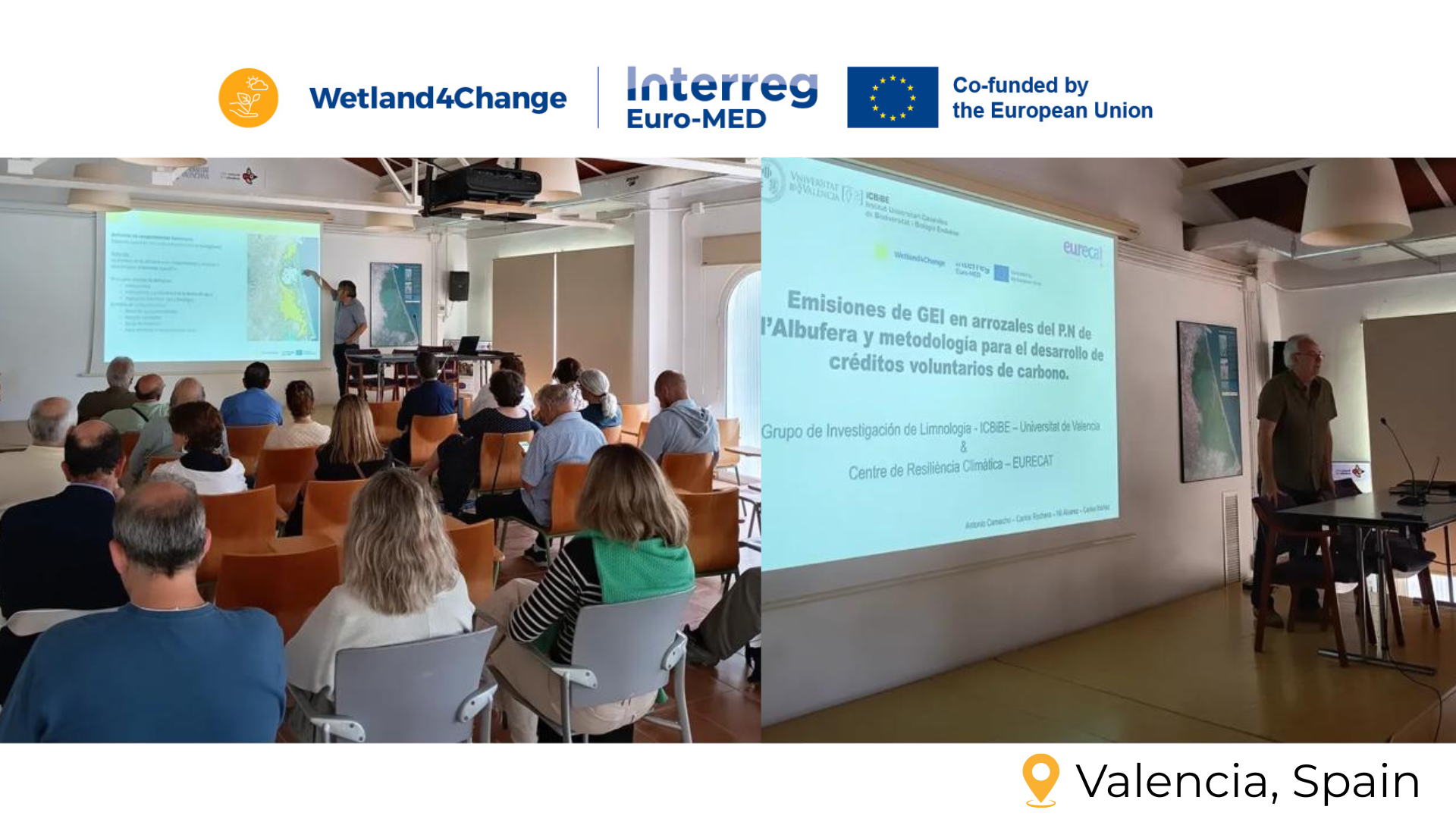
The meetings marked an important milestone for Wetland4Change, reinforcing collaboration between science, policy, and practice while laying the groundwork for the long-term application of the project’s results beyond its pilot areas.