Wetlands are among the world’s most effective natural carbon sinks, yet their ability to capture and store carbon varies greatly depending on their ecological characteristics and management. Understanding these dynamics is a central objective of the Wetland4Change project, which is developing the knowledge needed to strengthen the role of wetlands in climate change mitigation and adaptation.
In this interview, we asked Dr. Carlos Rochera, researcher at the University of Valencia, Wetland4Change project partner and leader of Work Package 1: Carbon Sequestration, about the contribution of wetlands to sequester carbon and their broader role in climate regulation. Drawing on the project’s work at Albufera Natural Park, he explains how the different wetland compartments – from rice fields and managed wetlands to marshes and lagoons – contribute to carbon sequestration, greenhouse gas emissions, water quality, and flood regulation. His perspective highlights why understanding wetlands as interconnected, dynamic systems is essential for designing effective, climate-smart management strategies that deliver multiple environmental benefits.
What you will find in this interview
Jump directly to the main themes:
- How does Albufera’s diverse wetland mosaic influence its climate performance?
- Which wetland compartments are the most important to protect for carbon management?
- What role do rice fields play in carbon sequestration and methane emissions?
- How does water management determine whether wetlands act as carbon sinks or sources?
- Why are the Tancats a successful example of multiple environmental benefits?
- What do the Malladas reveal about the need for long-term wetland monitoring?
- What is the main management priority for improving Albufera’s climate performance?
- What about flooding regulation?
- Can rice fields become part of the solution for reducing flood risks?
Key message: Understanding wetlands as interconnected and dynamic ecosystems is essential to maximise their potential for carbon sequestration, climate resilience, and sustainable management.
Albufera is a highly heterogeneous system. How does this functional mosaic help better understand wetland climate performance compared to a more uniform reading?
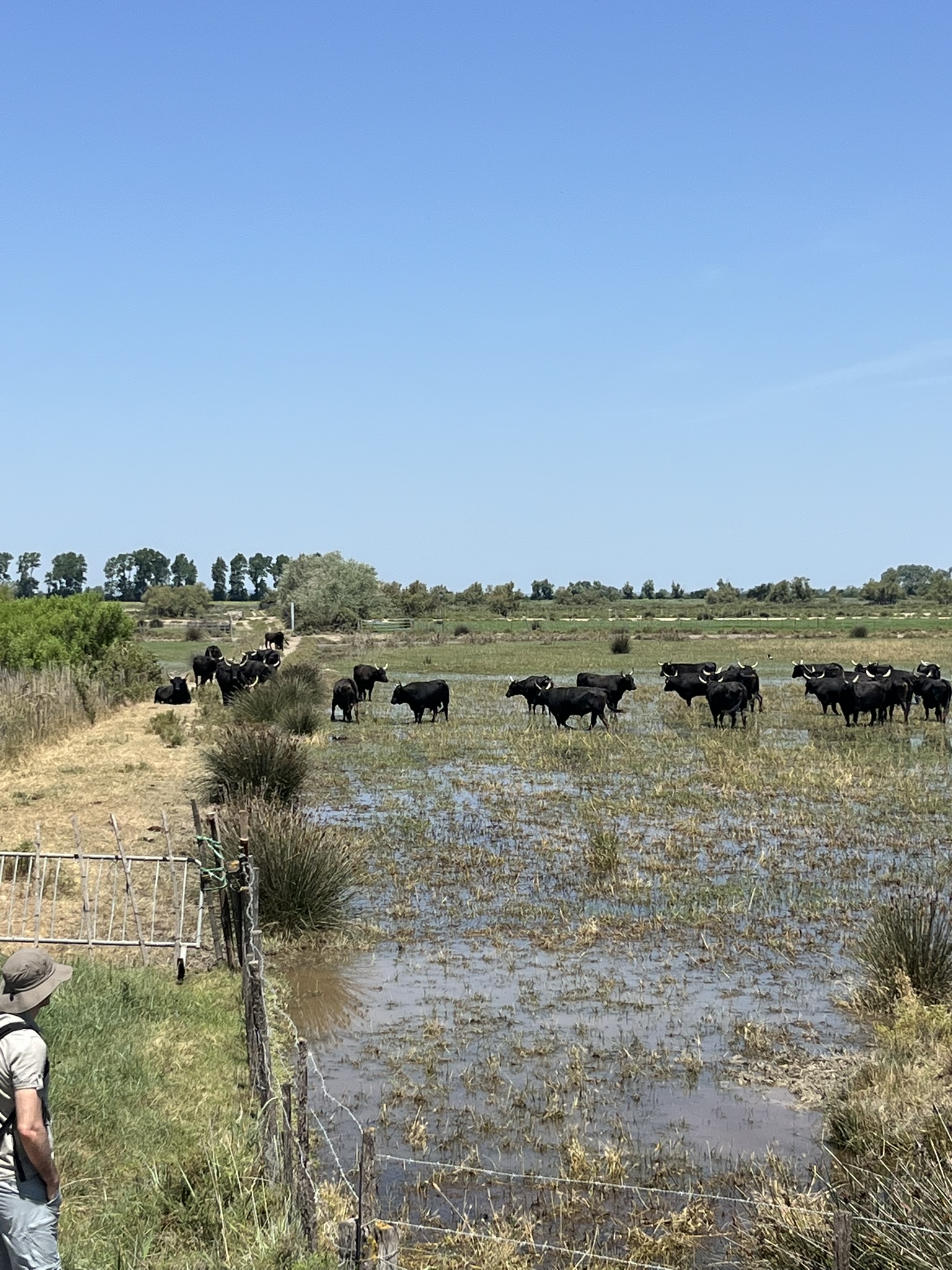
The functional mosaic of Albufera is one of its defining characteristics. The lagoon, rice fields, the Tancats, marshes, channels and the Malladas all operate under different hydrological conditions and therefore show different carbon dynamics. For example, the Tancats are managed wetland areas originally reclaimed for agriculture, while the Malladas are shallow dune depressions that experience strong seasonal flooding. Each of these compartments contributes differently to carbon sequestration and greenhouse gas emissions.
Your results show that not all compartments behave the same in terms of carbon fluxes. Which ones are the most critical to protect or manage more carefully?
Vegetated wetlands, the Tancats and some marsh areas are particularly important because they can provide significant carbon storage while supporting biodiversity and water quality improvement. At the same time, compartments with strong seasonal flooding and high organic matter accumulation require careful management because they can also generate substantial methane emissions. The key message is that different compartments require different management strategies.
Rice fields appear to be one of the most sensitive components. What practical implications emerge from their role in CO₂ and CH₄ dynamics?
Rice fields occupy a large proportion of the Albufera landscape, so their overall contribution is very important. They can store carbon through plant production, but flooded conditions can also favour methane emissions. This means that relatively small changes in water management, flooding periods or agricultural practices can have significant effects at the landscape scale. Then, rice fields should be considered a key component of climate-smart wetland management.
What role does hydrological management play in determining whether a wetland acts as a carbon sink or a source?
Hydrological management plays a central role because water levels regulate many of the biological, chemical and physical processes that control carbon cycling in wetlands. Water availability influences vegetation growth, organic matter decomposition and oxygen conditions in soils and sediments. Chemical and physical processes occurring within the water column, which can act as a buffer for carbon emissions, are also favoured by the presence of water, as is the development of aquatic vegetation that captures carbon through primary production.
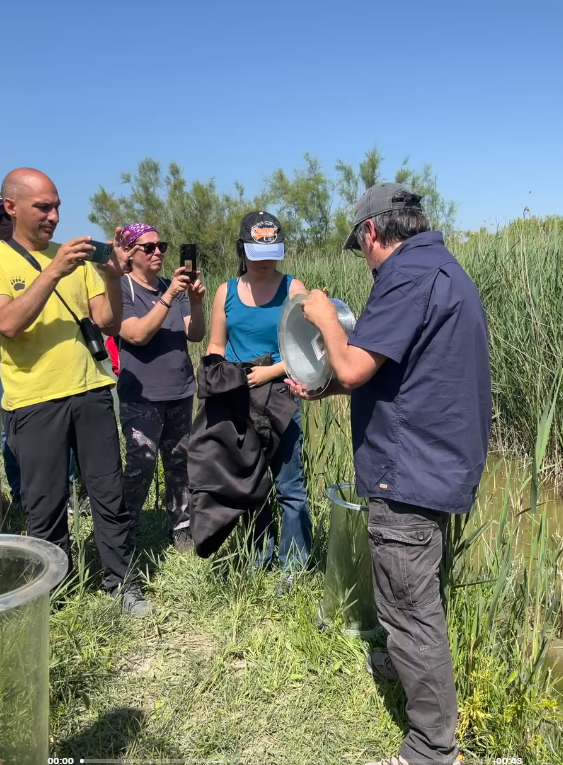
The Tancats seem to combine water treatment, nutrient reduction, and carbon uptake. Can they be considered a concrete example of co-benefits?
Yes, we believe that Tancats are one of the best examples of co-benefits in Albufera. The Tancats are former agricultural areas located below the water level of the lagoon and surrounded by dikes, which allows water levels to be actively managed. Some of them are now used as managed wetlands that receive water before it enters the lagoon.
In this role, they help improve water quality by retaining nutrients and suspended solids, reducing some of the pressures associated with eutrophication. At the same time, they support wetland vegetation, biodiversity and carbon accumulation. They clearly demonstrate that actions designed for one objective, such as water quality improvement, can simultaneously generate benefits for climate mitigation, ecosystem conservation and the overall ecological functioning of the Albufera system.
The Malladas show strong seasonal variability. What does this tell us about the need to assess wetlands over time rather than through static snapshots?
The Malladas are a good example of why wetlands must be understood as dynamic systems. These shallow depressions located within the dune system can shift from flooded conditions to relatively dry conditions within the same year, leading to important changes in vegetation, carbon cycling and greenhouse gas emissions.
Their behaviour shows that a single measurement or short monitoring period may provide a very incomplete picture. Therefore, our assessment requires seasonal and long-term observations that capture these natural fluctuations.
Given the strong agricultural context, how important is it to involve farmers in future implementation strategies?
Farmer involvement is essential. Many of the management decisions that influence water levels, flooding periods and land use occur in agricultural areas. Long-term success will depend on working together with farmers to identify solutions that are environmentally beneficial while remaining compatible with agricultural production and local socio-economic realities.
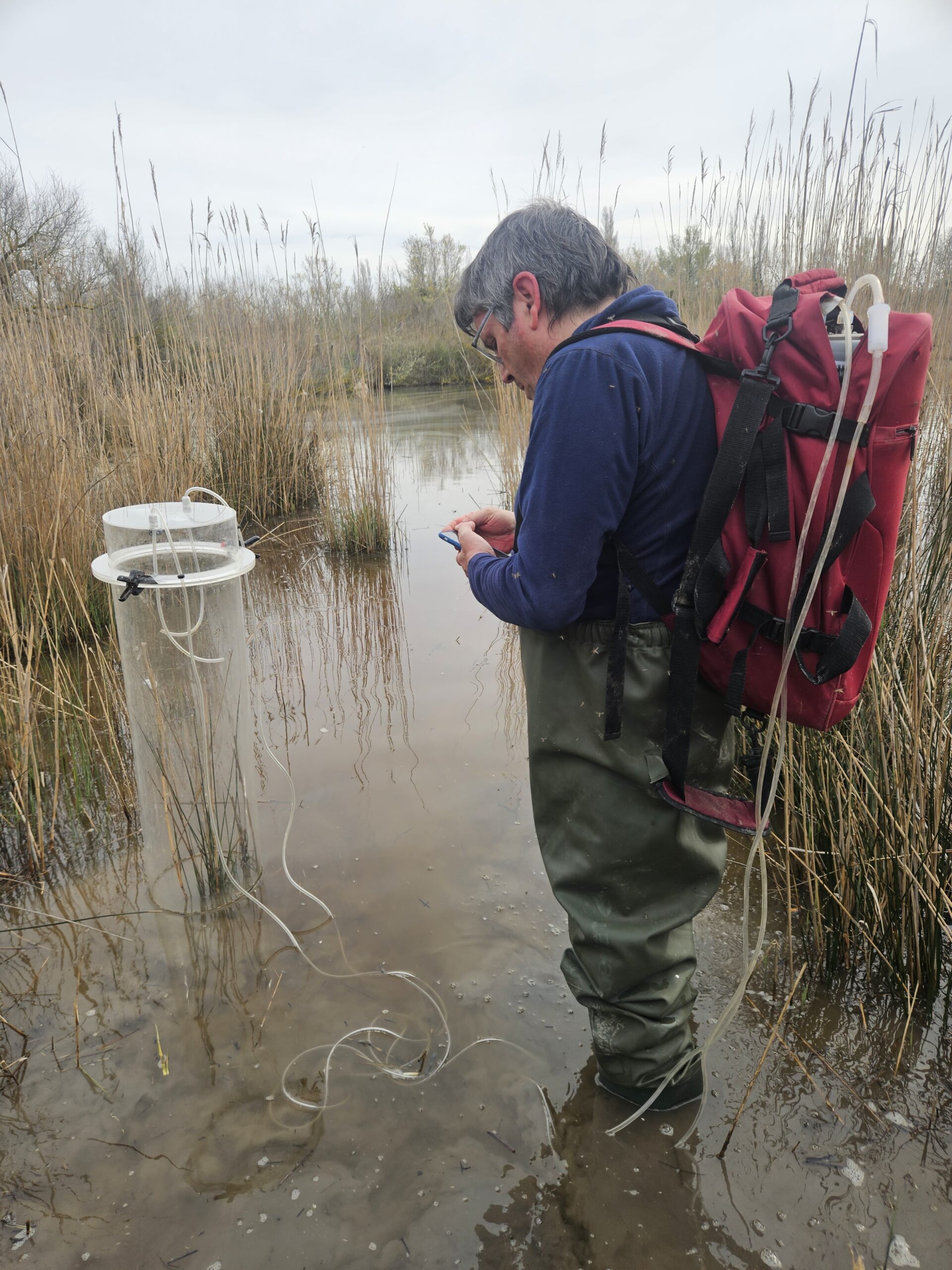
If you had to identify one key management priority for Albufera emerging from the project, what would it be?
Our main priority would be improving the ecological condition of the lagoon through better water management and water quality improvement. Many of the pressures affecting Albufera, including eutrophication, sediment anoxia and greenhouse gas emissions, are closely linked to hydrological conditions and nutrient inputs. The project showed that maintaining appropriate water circulation between the lagoon, rice fields and other wetland compartments can simultaneously improve water quality, reduce conditions that favour methane production and strengthen the ecological functioning of the system.
In this context, expanding the role of Tancats and other rice fields converted into green filters could be particularly beneficial, as they help remove nutrients and suspended solids before water reaches the lagoon. Over time, improving the ecological status of the lagoon could reduce methane emissions associated with the decomposition of the large amounts of labile organic matter produced under eutrophic conditions. Other measures, such as the removal of contaminated or highly organic sediments, may also be effective in some areas, although their potential benefits and trade-offs need to be carefully evaluated before implementation.
What about flood regulation ?
In such a dynamic system, which compartments play the most relevant role in flood regulation?
Flood regulation is distributed across several compartments rather than being provided by a single element. Rice fields, marshes, channels and the lagoon itself all contribute by storing, distributing and slowing down water during high-flow events.
One important lesson from Albufera is that the capacity of the system to regulate floods depends on the combined functioning of these compartments and not on any individual component acting in isolation.
Can rice fields be part of the solution, not only a pressure, if managed differently?
Absolutely !
Rice fields are often perceived only as a source of pressures, but they are also a key part of the Albufera system. Because of their large surface area and their capacity to temporarily retain water, they can play an important role in flood regulation.
The flooding associated with the DANA event of 2024 provided a clear example of how rice fields can act as temporary water storage areas, helping to buffer peak flows and reduce downstream impacts. This illustrates that, with appropriate management, rice fields can contribute not only to agricultural production but also to climate adaptation and flood risk reduction.
How critical is connectivity between lagoon, fields, marshes, and dune depressions in mitigating flood risks?
Connectivity is fundamental and, to a large extent, explains the role of rice fields discussed in the previous question. If we look at the spatial distribution of the lagoon, rice fields, and the dense network of channels connecting them, it becomes clear that flood regulation is not provided by individual compartments but by the functioning of the system as a whole.
Flood mitigation depends not only on how much water each compartment can store, but also on how efficiently water can move between them. The lagoon, rice fields, and channels function as an interconnected system that distributes, retains and temporarily stores water across the landscape. Equally important is the connection between the lagoon and the sea through the Golas, which provide a controlled outlet for excess water and contribute to the overall regulation capacity of the system. Maintaining this connectivity increases the resilience of Albufera to extreme rainfall events and allows different compartments to work together in reducing flood risks.