
After two and a half years of collaboration, research, and field implementation, Wetland4Change is entering a new chapter. The project has officially transitioned from a Test Project to a Transfer Project, extending its activities until December 2027.
This new phase marks an important milestone in the project’s journey. Building on the knowledge and experience gained during the first phase since 2024, Wetland4Change will now focus on transferring and applying its tested methodologies to new Mediterranean territories, helping strengthen the role of wetlands in climate change mitigation and adaptation.
From testing solutions to transferring impact
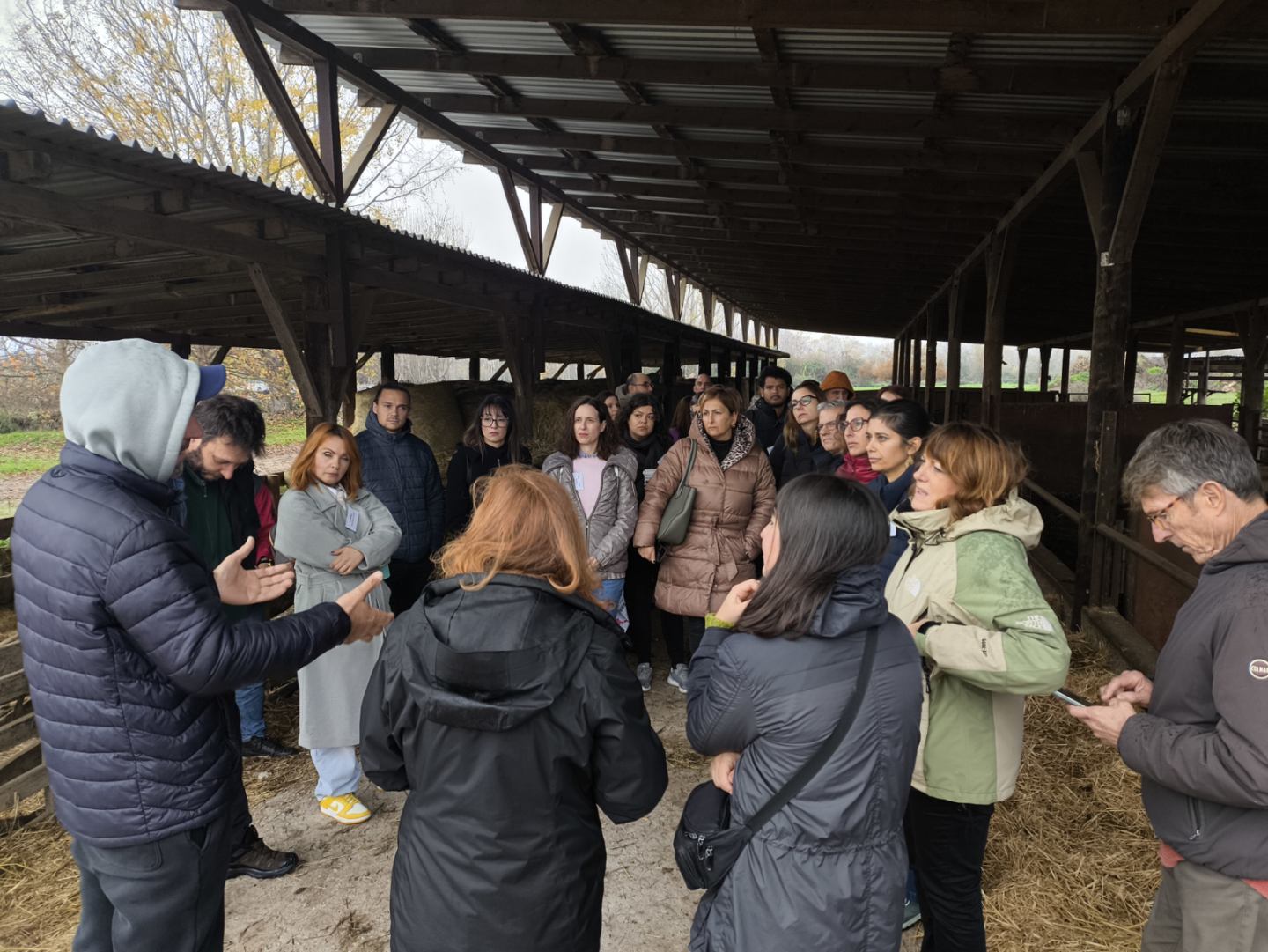
Over the past two and a half years, project partners have worked together to assess and demonstrate how Mediterranean wetlands contribute to climate resilience. Through pilot activities, scientific assessments, stakeholder engagement, and Living Labs, the consortium has developed and validated two operational climate solutions:
- A methodology to assess the carbon sequestration capacity of wetland ecosystems, supporting the recognition of wetlands as natural carbon sinks.
- A methodology to evaluate the contribution of wetlands to water regulation and flood risk reduction, highlighting their essential role in adapting to increasingly frequent climate-related hazards.
These solutions have been tested across the project’s 5 pilot territories and are now ready to be transferred to new regions, enabling local authorities and new stakeholders to benefit from proven approaches and practical tools.
A partnership built for knowledge transfer
The Transfer Project brings together a balanced partnership designed to facilitate effective knowledge exchange between experienced organisations and new territories.
The transfer process is led by the project’s core givers: the University of Valencia, European Topic Centre of the University of Málaga, Tour du Valat and are supported by existing Wetland4Change partners the University of Bulgaria, MEDSEA Foundation and Greek Biotope Wetland Center (EKBY) acting as supporting sub-givers, ensuring continuous technical assistance and close cooperation with the receiving territories throughout the implementation process.
The project also welcomes five new receiving partners, who will implement and adapt the transferred solutions within their territories:
- Andalusian Federation of Municipalities and Provinces, Spain
- Parco Naturale Regionale Litorale di Ugento, Italy
- Via Pontica Foundation, Bulgaria
- Network of Cities with Lakes, Greece
- GIP Seine-Aval, France
In addition, the partnership is strengthened by several new associated partners, broadening the project’s outreach beyond the consortium and supporting the replication of its results across other regions:
- Living Planet Morocco, Morocco
- Hydro Nova S.r.l
- Municipality of Deskati, Greece
- Euro-Mediterranean Water Information System on Know-How in the Water Sector (SEMIDE/EMWIS), France
Expanding the impact of nature-based climate solutions
The Transfer Project represents an opportunity to scale up the impact of Wetland4Change beyond its original pilot sites. By adapting proven methodologies to new environmental, institutional, and socio-economic contexts, the project will help local authorities and wetland managers strengthen ecosystem-based approaches to climate action.
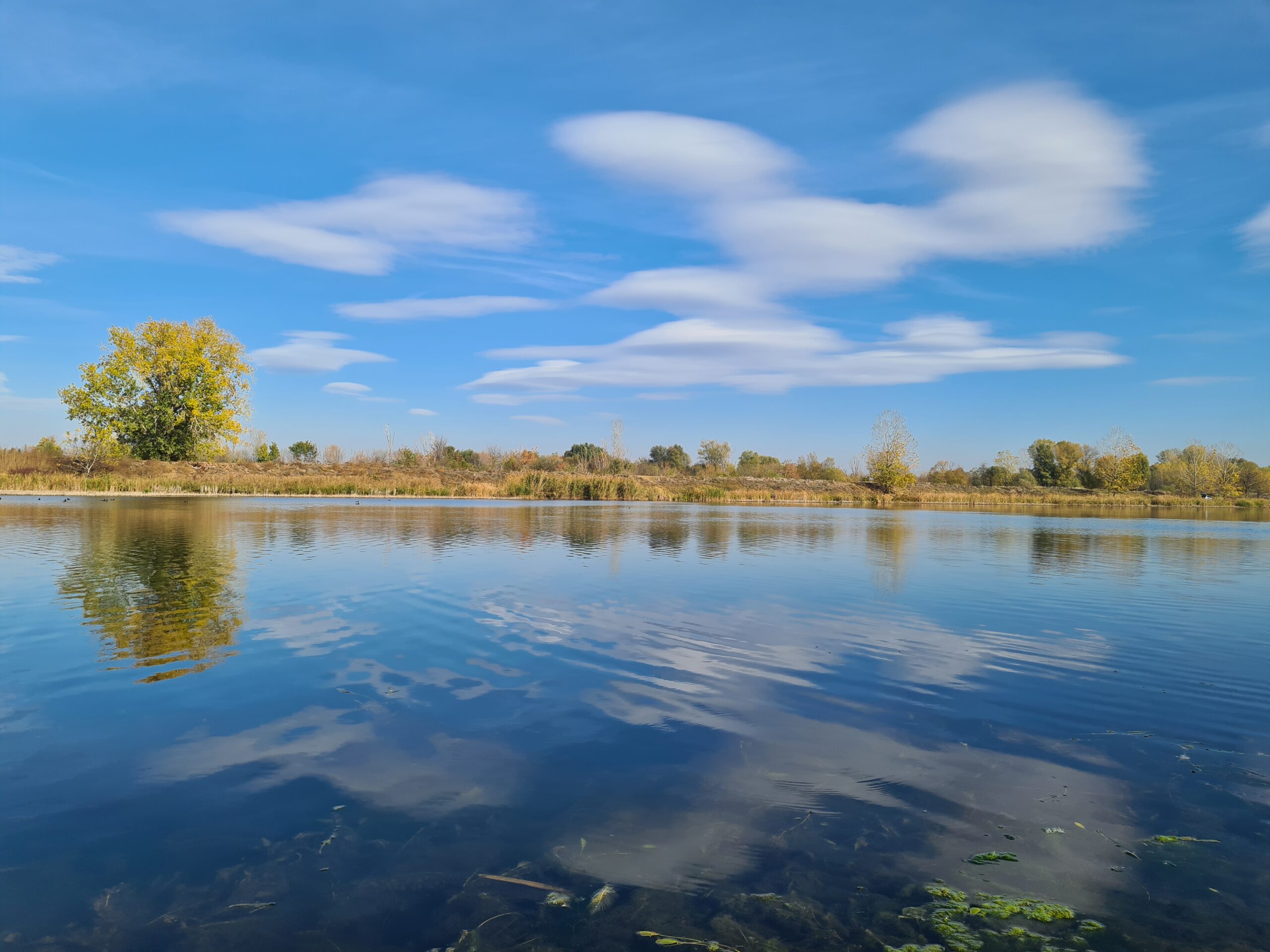
At a time when Mediterranean territories are increasingly exposed to floods, droughts, and other climate-related challenges, wetlands offer cost-effective and nature-based solutions capable of storing carbon, regulating water, and supporting biodiversity. Through this new phase, Wetland4Change will continue transforming scientific knowledge into practical tools that support informed decision-making and long-term resilience.
As the project embarks on this next chapter, partners remain committed to sharing expertise, fostering cooperation across borders, and demonstrating that healthy wetlands are essential allies in building a more climate-resilient Mediterranean.