From global frameworks to regional solutions: strengthening Mediterranean water resilience
Water resilience was at the heart of discussions in Marseille, where Mediterranean actors gathered to explore how cooperation, governance and ecosystem-based approaches can help address interconnected water challenges.
Day 1 | Water resilience & governance
On 24 November, the Natural Heritage Mission’s Annual Institutional Dialogue brought together policymakers, researchers, practitioners and projects in Marseille to exchange perspectives on the Mediterranean’s water challenges and explore pathways towards stronger environmental governance.
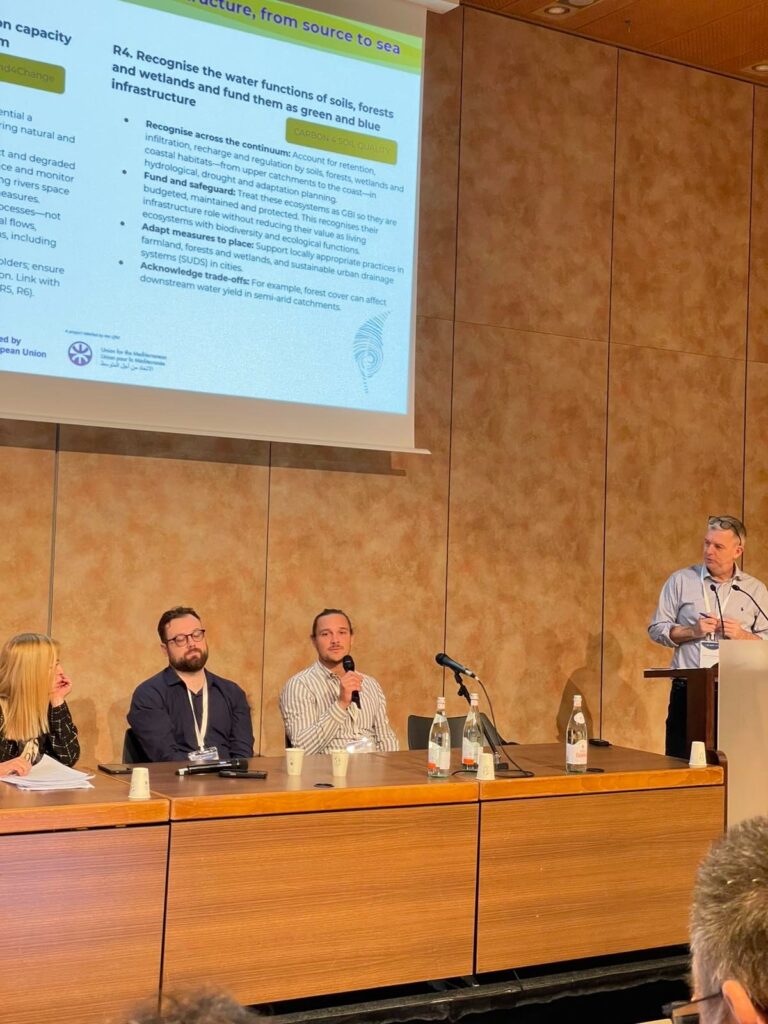
Water resilience is one of the Mediterranean’s most pressing challenges. Drought, pollution, water scarcity and ecosystem degradation are interconnected pressures that require coordinated responses, going beyond sectoral approaches and administrative boundaries. Addressing them calls for stronger cooperation across governance levels, greater involvement of local communities, and governance frameworks that recognise the essential role of healthy ecosystems.
In a difficult international context for multilateral cooperation, discussions also highlighted the importance of maintaining global frameworks for sustainable development, supported by concrete targets and indicators to measure progress. While progress remains slow, these frameworks continue to provide a common direction and a basis for translating international commitments into action at regional and local levels.
From policy frameworks to implementation
The dialogue focused on identifying common priorities across governance levels, refining the Dialogue4Nature policy recommendations and exploring opportunities for stronger cooperation between Mediterranean, national and local actors.
Throughout the exchange, participants reflected on the challenges of translating policy commitments into concrete action. Discussions highlighted the need to strengthen collaboration with public authorities, improve coordination between institutions and ensure that policies are effectively implemented on the ground.
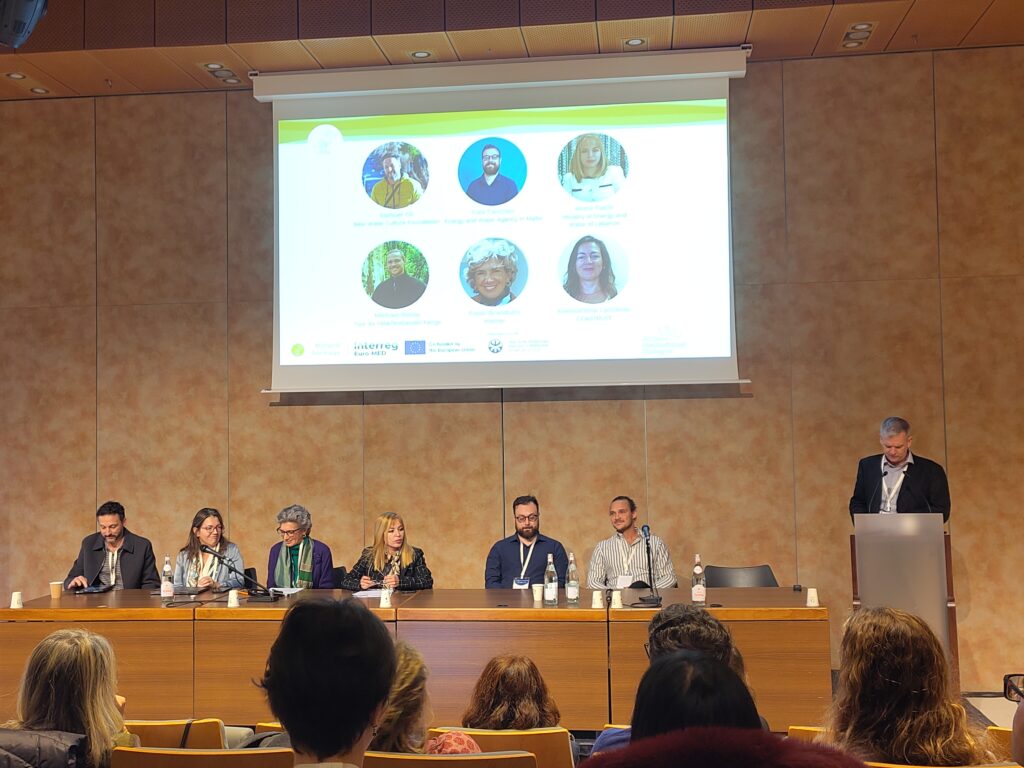
Representing Wetland4Change and Tour du Valat, Michael Ronse contributed perspectives on
the importance of wetland monitoring, particularly in understanding the pressures affecting coastal lagoons and their ecosystems.
Monitoring is essential to better understand how wetlands are evolving, assess environmental pressures and support informed management decisions. For instance, pollution in Mediterranean wetlands has been monitored through the Mediterranean Wetland Observatory for nearly 15 years, providing valuable knowledge on the condition and evolution of these ecosystems.
However, knowledge and monitoring alone are not sufficient. Translating scientific evidence into effective interventions also requires technical expertise, adequate resources, institutional capacity and the involvement of public authorities capable of acting on the information available.
Day 2 | Sharing wetland solutions
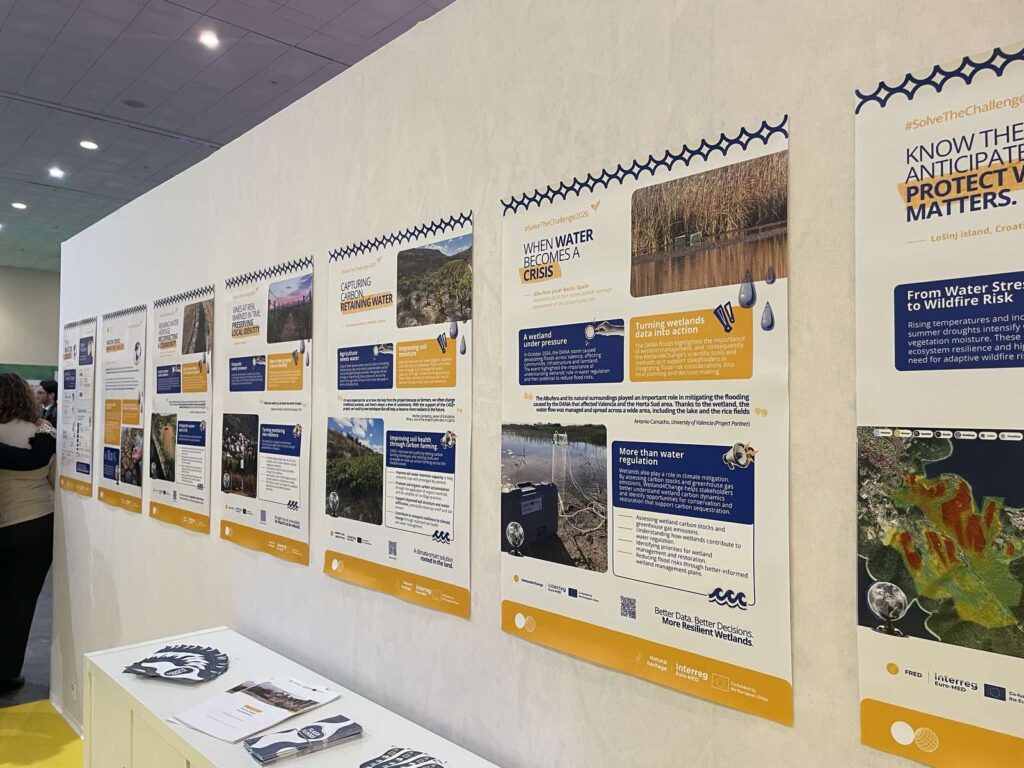
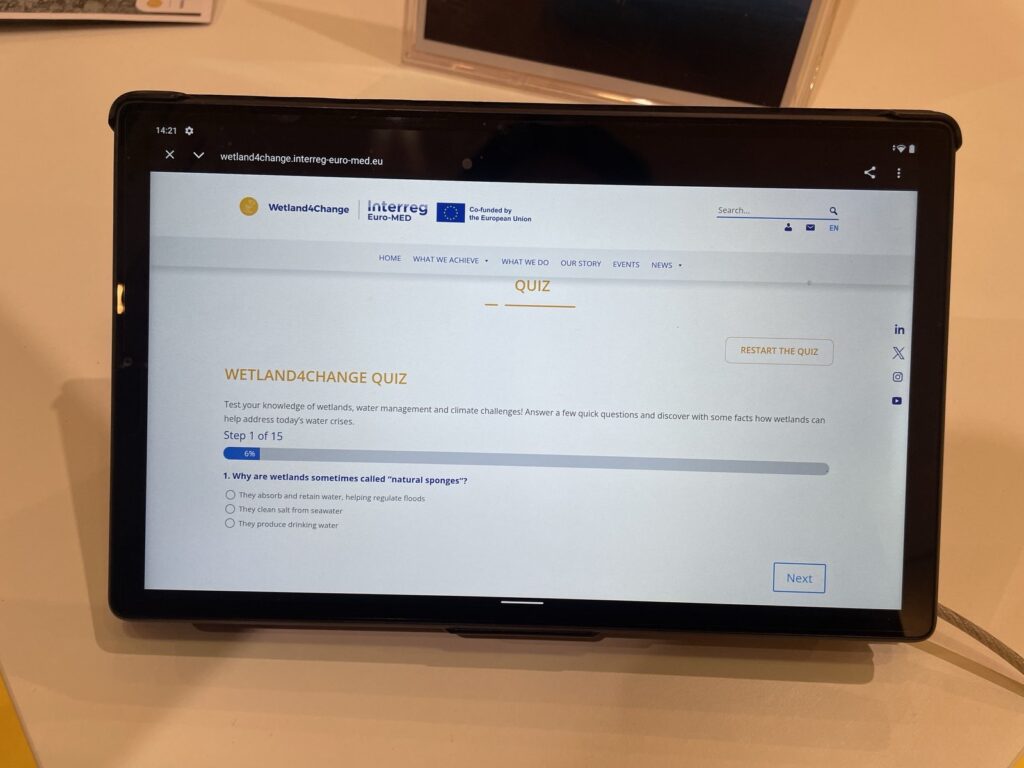
Wetland4Change was featured at the Natural Heritage Mission stand through its video, poster and interactive quiz. These communication materials offered participants an opportunity to discover the importance of wetlands, explore the challenges they face and learn more about the solutions developed through the project, encouraging engagement and exchange with other Mediterranean initiatives.
Day 3 | Wetlands and carbon solutions
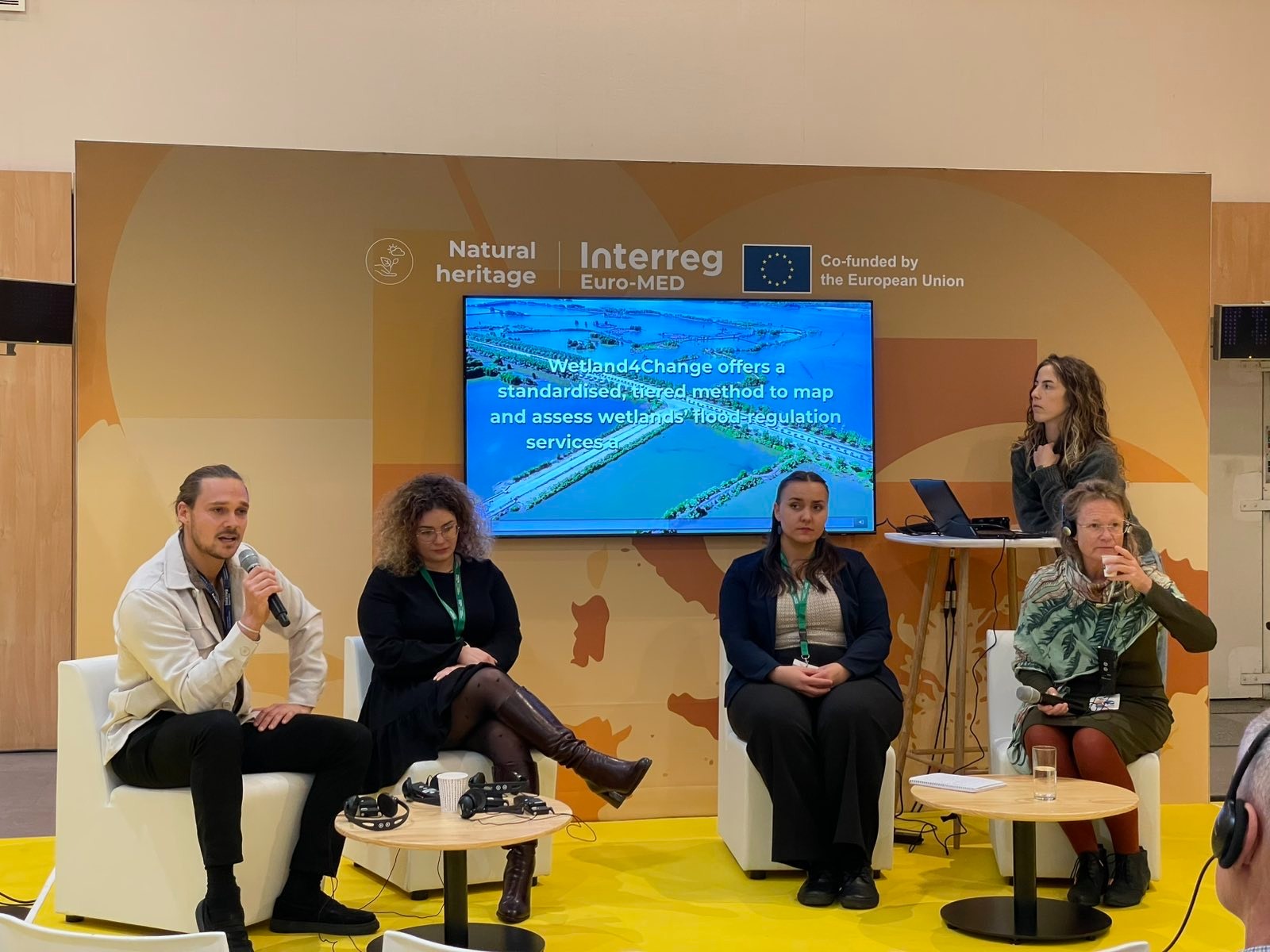
On the third day, Michael Ronse took part in an exchange on carbon sequestration and carbon farming, sharing Wetland4Change’s experience and approaches to understanding and enhancing the role of wetlands in carbon sequestration. The discussion provided an opportunity to exchange knowledge with other projects exploring carbon-related solutions and highlight the contribution of wetland conservation and management to climate mitigation.
Cooperation as a pathway to action
The discussions reinforced the importance of bridging the gap between scientific knowledge, policy frameworks and practical implementation. Wetlands are not only valuable ecosystems to conserve; they are also natural infrastructure contributing to water regulation, climate resilience and the health of Mediterranean territories.
Strengthening their protection and management therefore requires approaches that connect environmental evidence with decision-making, while recognising the different realities and needs of local territories.
As moderator Petar Mackelworth concluded:
“There are no global solutions, there are global frameworks and regional solutions.”
This message captures one of the key takeaways from the dialogue: international and regional frameworks are essential to establish common objectives, but their effectiveness ultimately depends on cooperation, locally adapted approaches and the capacity to turn commitments into action.
For Wetland4Change, the exchange offered an opportunity to share project perspectives within a wider Mediterranean discussion on water resilience, ecosystem management and governance, while reinforcing the importance of wetlands as part of the solutions to the region’s interconnected environmental challenges.