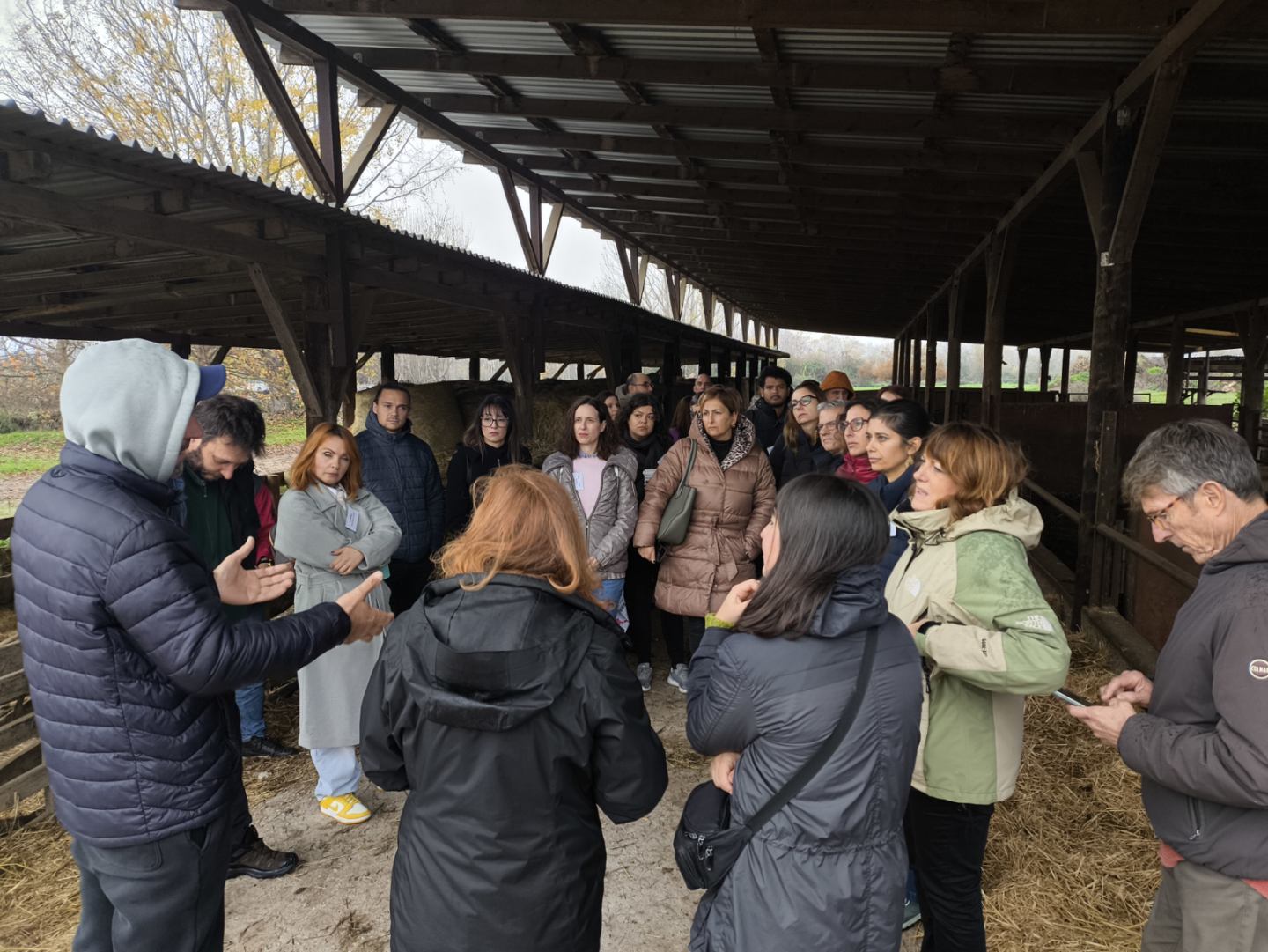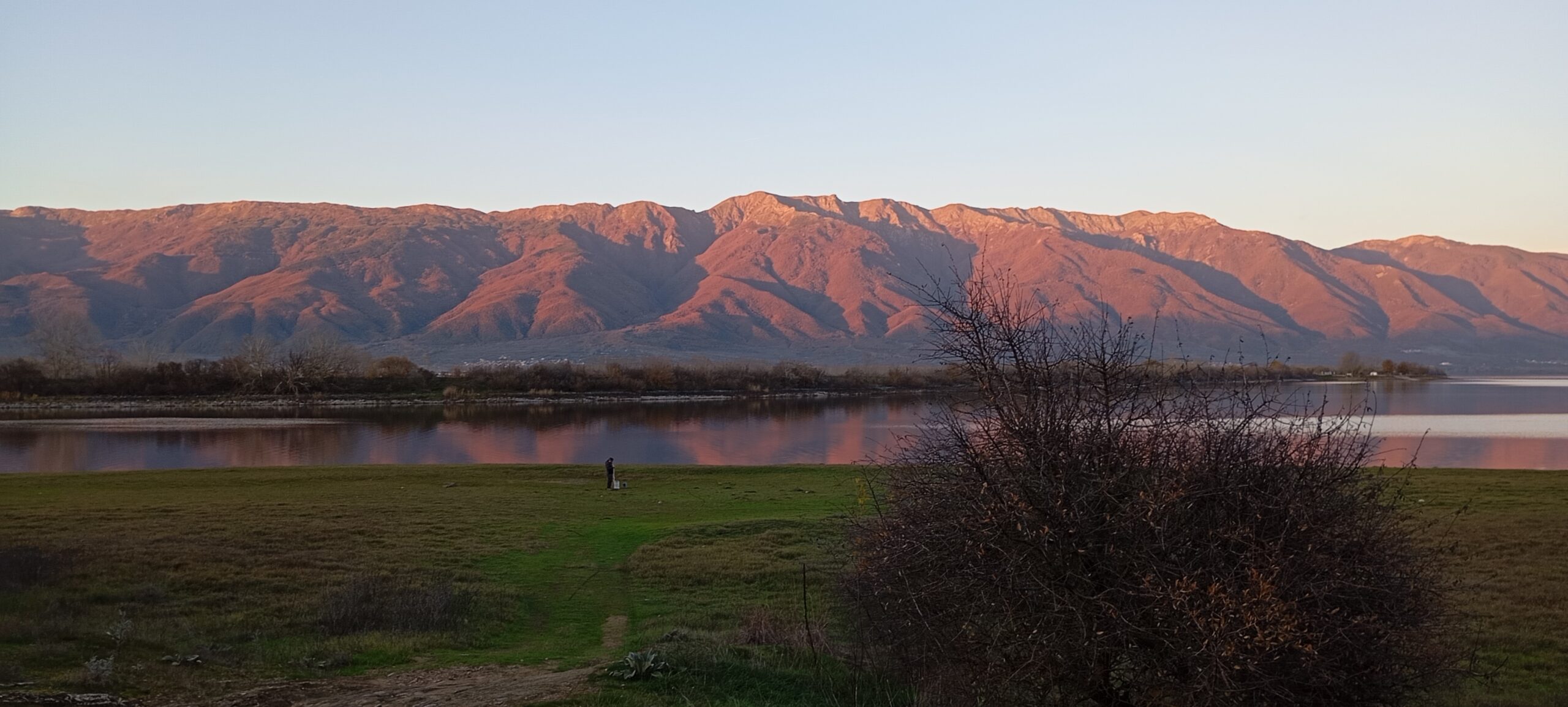

Wetland4Change investigates how wetlands can contribute to climate adaptation and mitigation through two key ecosystem services: carbon sequestration (WP1) and flood regulation (WP2). Yet understanding these functions is only part of the challenge. Equally important is translating scientific knowledge into practical management approaches that can support local communities, agriculture and environmental resilience.
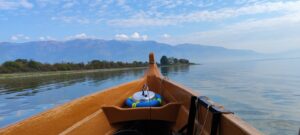
The Greek pilot site, located within the Strymon catchment and centred around Lake Kerkini, offers a unique opportunity to explore this connection. Created in the early twentieth century for flood protection and irrigation, Lake Kerkini has evolved into one of the most important wetland ecosystems in Southeastern Europe and a Ramsar site of international importance. Today, the area illustrates how wetlands can simultaneously support biodiversity, water management, climate regulation and local livelihoods.
Within Wetland4Change, researchers assessed both the carbon sequestration capacity of the wetland system and its role in regulating floods across the wider catchment (see previous article). Their work also explored how these findings can inform agricultural policies, restoration priorities and adaptive management strategies in a context increasingly shaped by climate change, water scarcity and competing land uses. To better understand these challenges and opportunities, we spoke with Eleni Fitoka and Anastasia Chatzimentor from the Greek Biotope/Wetland Centre (EKBY), one of the project partners leading the assessment of ecosystem services in the Strymon basin.
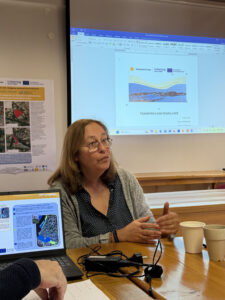
Eleni Fitoka (EKBY) during the Wetland4Change technical Meeting in Kerkini Lake
In this interview, they discuss the ecological complexity of wetlands, the importance of integrating flood regulation and carbon sequestration into land and water management, and the role that collaboration between institutions, land managers and local communities can play in building climate resilience for the future.
A wetland shaped by water and people
Lake Kerkini was originally created in the early twentieth century to support flood protection and irrigation in the fertile agricultural plain of Serres. Over time, however, it evolved into one of the most important wetland ecosystems in Southeastern Europe, gaining international recognition under the Ramsar Convention.
Lake Kerkini – Wetland4Change Pilot Site
Today, Kerkini represents a remarkable example of how ecological and human systems are interconnected (see Kerkini’s factsheet). The lake supports rich biodiversity, provides water resources for agriculture, contributes to flood management and plays an increasingly important role in climate adaptation.
At the same time, the area faces growing pressures linked to climate change, increasing water demand, agricultural intensification and competing land uses. Understanding how wetlands can continue to provide benefits under these changing conditions is therefore essential.
Looking beyond the lake
One of the key messages emerging from Wetland4Change is that wetlands cannot be understood in isolation.
Lake Kerkini is part of the wider Strymon catchment, a transboundary river basin shared by Greece and Bulgaria. Water flows, sediments, nutrients and ecological processes connect the lake with upstream and downstream landscapes, meaning that decisions taken far from the wetland itself can directly influence its ecological functioning.
For this reason, the project adopted a catchment-scale perspective, combining field measurements, ecosystem service assessments, hydrological analyses and stakeholder engagement to better understand the relationship between wetlands, climate and society.
Three perspectives on climate resilience
To explore these issues, we spoke with researchers from the Greek Biotope/Wetland Centre (EKBY), one of the project partners responsible for the Greek pilot site.
The interviews address three complementary dimensions of wetland management:
Carbon sequestration and climate mitigation
Wetlands are increasingly recognized as important carbon sinks. The Wetland4Change team carried out the first comprehensive assessment of carbon balance in a Greek wetland ecosystem, providing new insights into how hydrology, vegetation and water management influence greenhouse gas dynamics.
The results highlight both the potential of wetlands to contribute to climate mitigation and the importance of maintaining ecological integrity to preserve this function.
Read the Carbon Sequestration Interview
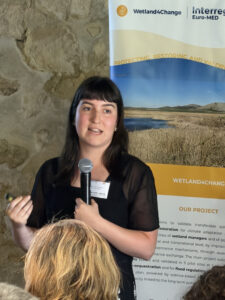
Anastasia Chatzimentor EKBY
Flood regulation and nature-based solutions
Flood protection is often associated with engineered infrastructure such as dams and levees. However, wetlands also play a critical role by storing water, reducing flood peaks and slowing runoff.
The project assessed how different wetland types contribute to flood regulation across the Strymon catchment and identified priority areas where conservation and restoration actions could strengthen resilience to extreme weather events.
Read the Flood regulation Interview
Agriculture, governance and future management
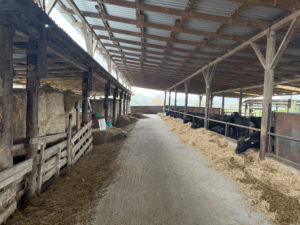
The future of wetlands depends not only on ecological processes but also on governance, land-use decisions and stakeholder collaboration.
The project explored how ecosystem service assessments can support agricultural policies, guide restoration priorities and contribute to adaptive management approaches capable of balancing environmental protection with local socio-economic needs.
Read the Governance and Agriculture interview
From knowledge to action
Beyond scientific findings, Wetland4Change aims to provide practical tools for decision-makers, local authorities and stakeholders.
The project demonstrates that wetlands should not be viewed simply as protected areas or biodiversity reservoirs. They are essential components of climate adaptation strategies, capable of delivering multiple benefits simultaneously: flood protection, carbon storage, water regulation, biodiversity conservation and support for local livelihoods.
As climate pressures continue to intensify across the Mediterranean, understanding and strengthening these ecosystem services will become increasingly important.
The Greek pilot site offers a powerful example of how science, policy and local knowledge can work together to build more resilient landscapes and communities.